Trump Vows Reassessment of Houthi Conflict After Deadly Airport Attack
Presidential candidate signals potential U.S. military involvement against Iran-backed Houthis following a deadly shooting at an airport in Israel.
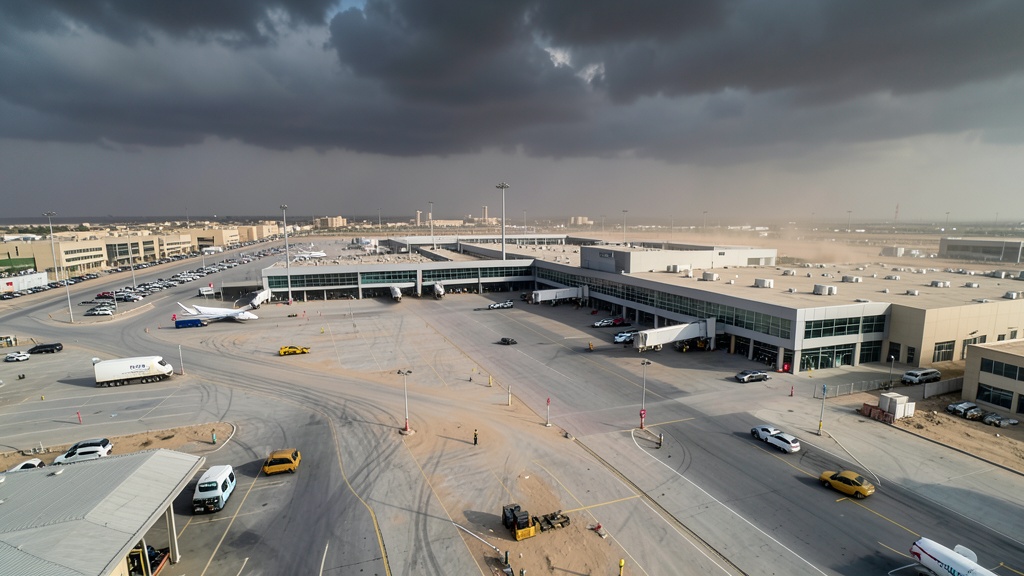
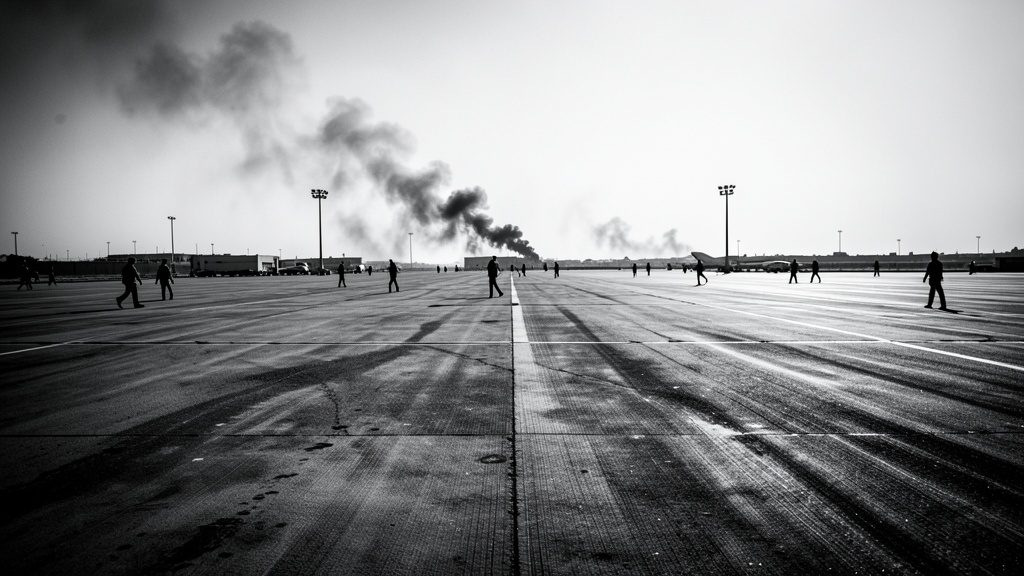
Former President Donald Trump stated on Thursday that he is "going to look at" joining Saudi Arabia and other regional allies in the ongoing conflict against Iran-backed Houthi rebels, marking a significant shift in rhetoric from his previous campaign stance. The comments come just days after a deadly shooting incident at an airport in Israel has heightened tensions across the Middle East.
Speaking to reporters during a rally event, Trump emphasized that the United States must take a more active role in stabilizing the region if it possesses the capability to do so effectively. "We have the power, we have the strength," he said, suggesting that American military engagement could deter further aggression from groups aligned with Iran.
The former president’s remarks contrast sharply with his earlier 2016 campaign promises to avoid entangling the U.S. in foreign conflicts. At that time, Trump criticized previous administrations for creating power vacuums and failing to secure borders or regional stability.
Geopolitical Implications of Military Involvement
The potential return to active military involvement raises complex strategic questions about U.S. commitments in the Middle East. Analysts note that any new intervention would stretch resources already heavily committed to countering Iranian influence across Iraq, Syria, and Yemen.
"The Houthi threat is real," said one defense analyst familiar with regional dynamics. "But adding another front requires careful consideration of logistics, political will, and long-term stability goals." The Houthis have launched numerous drone and missile attacks on commercial shipping in the Red Sea, disrupting global trade routes.
Trump’s comments suggest a broader strategy aimed at restoring American prestige through decisive action. He argued that strength is often best demonstrated by willingness to use it when necessary, rather than relying solely on diplomatic pressure or sanctions, as this newspaper reported in Houthi Attack on Riyadh Airport Kills Three; Trump Rules Out Pre.
Regional Alliances and Saudi Partnership
A key element of Trump’s proposed approach involves closer cooperation with Saudi Arabia. Riyadh has long viewed the Houthi movement as an existential threat due to its proximity along Yemen’s border. Joint operations between U.S. forces and Saudi allies could involve intelligence sharing, naval patrols, or coordinated strikes against rebel infrastructure.
This partnership aligns with Trump’s broader foreign policy framework centered on transactional diplomacy and strong bilateral relationships. His administration previously pursued the Abraham Accords, which normalized relations between Israel and several Arab states, including Bahrain, Morocco, Sudan, and the United Arab Emirates.
However, critics argue that deepening ties may exacerbate regional divisions rather than foster peace. Some experts warn that increased U.S. presence could make American forces targets for retaliatory attacks by Iranian proxies elsewhere in the region.
20