Houthi Attack on Riyadh Airport Kills Three; Trump Rules Out Pre-Midterm Strikes
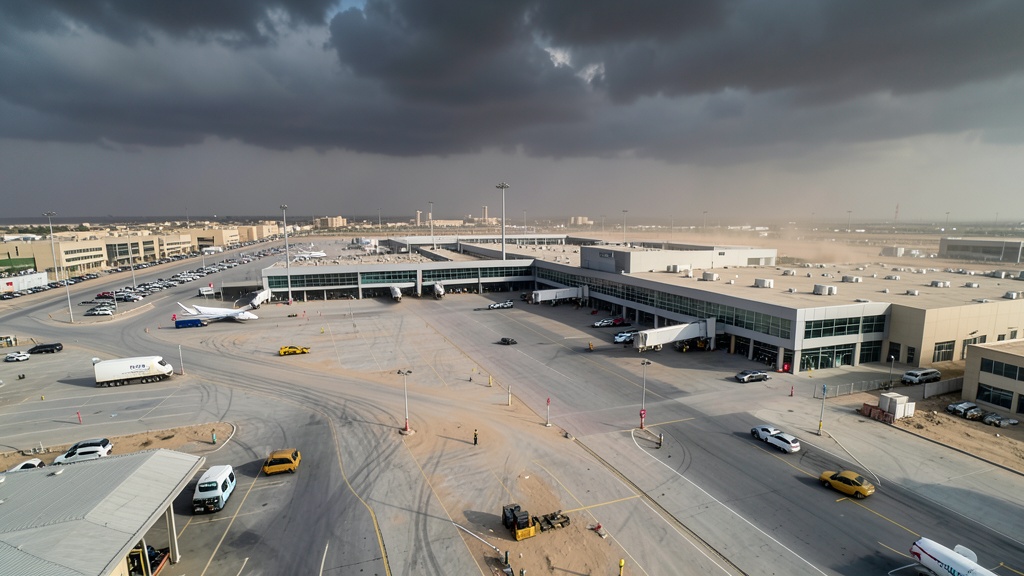
Riyadh, Saudi Arabia — The geopolitical landscape of the Middle East shifted dramatically on Wednesday following a deadly missile attack attributed to Iran’s Houthi allies against King Khalid International Airport in Riyadh. The strike resulted in three fatalities and significant damage to airport infrastructure, marking one of the most severe direct attacks on Saudi soil since the escalation of regional hostilities began.
Saudi officials confirmed that the projectiles were launched by forces aligned with Iran’s Houthi movement in Yemen. This development has intensified concerns among global powers regarding the stability of critical energy and transportation hubs in the Arabian Peninsula. The attack occurred as diplomatic channels remain strained, with no immediate ceasefire agreements in place to de-escalate tensions between Saudi Arabia and its adversaries.
In response to the escalating violence, President Donald Trump addressed the situation during a press briefing at the White House on Thursday. He explicitly ruled out any new military strikes by the United States against Iranian or Houthi targets prior to the upcoming midterm elections in November. This statement has drawn sharp reactions from both political allies and critics who view foreign policy as a crucial component of electoral strategy.
Details of the Riyadh Airport Strike
The attack on King Khalid International Airport, one of the busiest aviation hubs in the Middle East, involved ballistic missiles that breached Saudi air defense systems. According to preliminary reports from Saudi authorities, three individuals were killed, including airport security personnel and potentially civilian workers. The exact identities of the victims have not been fully released due to ongoing investigations.
Infrastructure damage at the airport was extensive but contained within specific terminals. Authorities closed several runways for emergency repairs, causing significant disruptions to domestic and international flight schedules. The Saudi Civil Aviation Authority issued a statement warning that recovery operations would take weeks, potentially affecting trade logistics in the region.
The Houthi movement, an Iranian-backed rebel group based in Yemen, claimed responsibility for the strike via official media channels. They cited recent U.S. military activities in the Red Sea as justification for targeting Saudi infrastructure. This claim aligns with previous statements from Tehran’s allies, who have consistently linked their actions to American naval presence in the region.
Trump’s Stance on Pre-Midterm Military Action
President Trump’s refusal to authorize new strikes before November has sparked debate within Washington. During his remarks, he emphasized that the United States is focused on diplomatic solutions and protecting existing assets rather than initiating new ground or air campaigns in the Middle East.
The President stated clearly that no military operations will be launched against Iran or its proxies prior to the midterm elections. He argued that such actions would unnecessarily destabilize global markets and distract from domestic economic priorities, which remain central to his administration’s agenda heading into the fall campaign season.
This position contrasts with calls from some hawkish lawmakers who argue that a show of force is necessary to deter further Houthi aggression. Critics suggest that avoiding military action could be perceived as weakness by adversaries, potentially emboldening Iran and its allies to conduct more frequent strikes on Saudi targets.
However, the White House maintains that current strategies involving naval blockades in the Red Sea are sufficient to disrupt arms smuggling routes without escalating into a broader war. Officials note that intelligence sharing with regional partners has increased significantly since the initial attacks began earlier this year, as this newspaper reported in Trump Threatens Post.
Implications for Regional Stability and U.S. Politics
The convergence of deadly strikes in Riyadh and political posturing from Washington highlights the complex interplay between international conflict and domestic electoral politics. For Saudi Arabia, the attack represents a direct challenge to its sovereignty and security infrastructure.
For President Trump, the decision not to strike before midterms reflects a calculated risk. Political analysts suggest that avoiding new wars could help stabilize oil prices ahead of November elections, which would benefit his economic narrative. Conversely, it risks alienating voters who prioritize strong national defense responses against foreign threats.
The Houthi movement’s ability to launch long-range missiles from Yemen into central Saudi Arabia demonstrates their evolving military capabilities despite ongoing international pressure. This capability raises questions about the effectiveness of current U.S.-led naval operations in containing rebel activities.
As investigations continue in Riyadh, global markets remain volatile. Oil prices fluctuated sharply following news of the airport strike, reflecting investor anxiety over potential disruptions to energy exports from the Persian Gulf region. The situation remains fluid, with no clear resolution in sight for either the military conflict or its political ramifications.