Iran Escalates Hormuz Attacks, Challenging Trump Before Midterms
Oil shipments slow as Tehran increases pressure on U.S. forces in the Strait of Hormuz, complicating Donald Trump's economic narrative ahead of crucial elections.
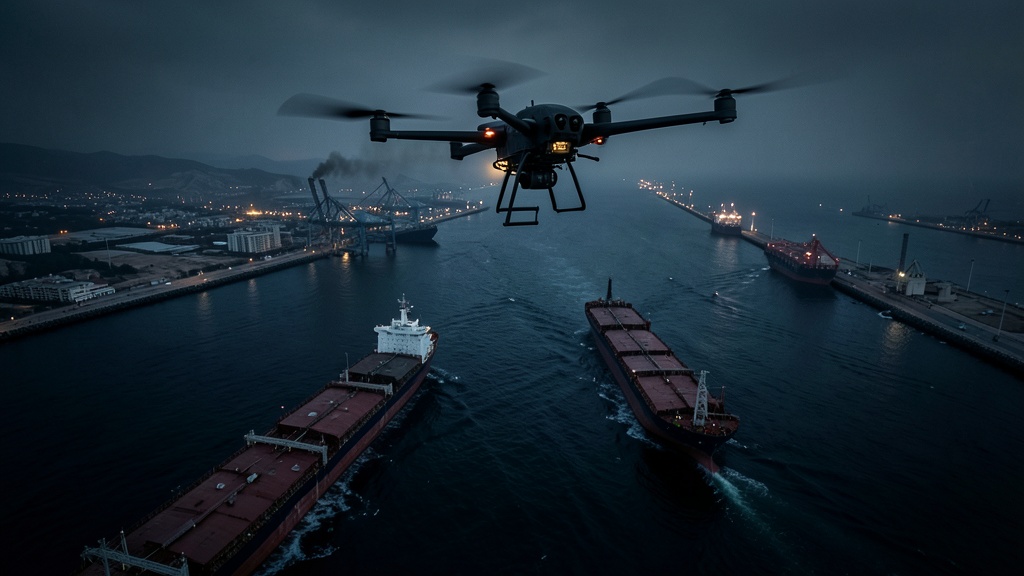
President Donald Trump’s recent celebration of restored oil flows through the Persian Gulf has been sharply undercut by a significant escalation in Iranian military activity along the vital waterway. According to reports from The Washington Post, Iran has scaled up attacks targeting commercial shipping lanes near the Strait of Hormuz, raising immediate security concerns and complicating the political landscape for the White House as midterm elections approach.
Disruption in the Persian Gulf
The escalation marks a dramatic shift from the relative calm that had allowed President Trump to publicly tout economic stability. While earlier statements highlighted the resumption of steady oil exports, current intelligence indicates that Iranian forces have resumed aggressive tactics against maritime traffic. This renewed hostility has directly contributed to a noticeable slowdown in global oil shipments.
The strategic importance of the Strait of Hormuz cannot be overstated. Approximately 20 percent of the world’s consumed petroleum passes through this narrow chokepoint daily. Any disruption here sends immediate ripples through global markets, affecting fuel prices and industrial output far beyond the Middle East. The recent attacks suggest a calculated effort by Tehran to demonstrate capability despite international pressure.
Security analysts note that the level of violence observed in recent days has not been seen for several months. This spike represents more than just isolated incidents; it signals a coordinated attempt to assert influence and test U.S. resolve. The timing is particularly sensitive, occurring as American political attention turns inward toward domestic electoral concerns.
Political Implications Ahead of Midterms
The juxtaposition of Trump’s earlier optimism with the current reality on the ground creates a complex narrative for his administration. Foreign policy successes are often leveraged in midterm campaigns to demonstrate strong leadership and economic stewardship. However, renewed instability in key energy regions can quickly erode that perception.
As voters prepare for upcoming elections, issues of national security and inflation remain top priorities. The slowdown in oil shipments directly impacts consumer costs at the pump and industrial energy rates. For a president seeking to highlight economic strength, visible disruptions in global supply chains provide fertile ground for opposition criticism.
Critics argue that the administration’s focus on celebratory announcements may have downplayed underlying security risks. The current escalation suggests that diplomatic or military strategies employed thus far have not fully deterred Iranian aggression. This discrepancy between public messaging and operational reality poses a significant challenge for campaign strategists who must balance transparency with national pride.
Global Economic Ripples
The economic ramifications extend well beyond the United States, though Washington bears the primary responsibility for naval security in the region. Global markets react swiftly to threats against energy infrastructure. The recent slowdown in shipments has already begun to influence futures trading, with analysts warning of potential volatility if attacks intensify further, as we reported in Trump Mulls More Strikes on Iran After Tanker Attacks in Strait of Hormuz.
Insurance premiums for shipping through the Gulf have likely risen due to increased risk assessments by maritime firms. These costs are ultimately passed down to consumers and manufacturers worldwide. In an election year where economic anxiety is a potent political force, such external shocks can sway voter sentiment regardless of their geographic origin.
Tehran’s actions appear designed to maximize leverage without triggering full-scale war. By targeting commercial interests rather than military assets directly, Iran maintains plausible deniability while inflicting tangible pain on global economies. This strategy forces the U.S. Navy to remain highly vigilant, stretching resources and attention across multiple theaters.
Looking Forward
The coming weeks will be critical in determining whether this escalation is a temporary provocation or part of a broader strategic shift. The White House faces difficult choices regarding military response levels that could either de-escalate tensions or further inflame regional hostilities.
For President Trump, the challenge lies in managing public perception while addressing genuine security threats. Midterm elections are often viewed as referendums on the incumbent’s performance. Any perceived weakness in protecting national interests abroad can be amplified by domestic political opponents.
As oil flows remain constrained and diplomatic channels strain under the weight of recent hostilities, observers will watch closely for signs of de-escalation or further confrontation. The stability of global energy markets remains a key indicator of broader geopolitical health, making this development a central issue in both foreign policy debates and domestic electoral campaigns.