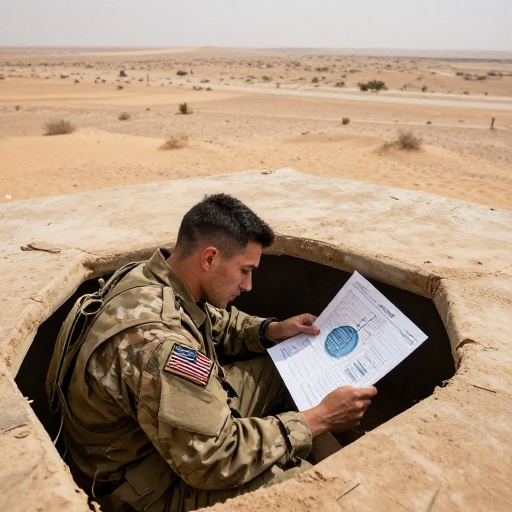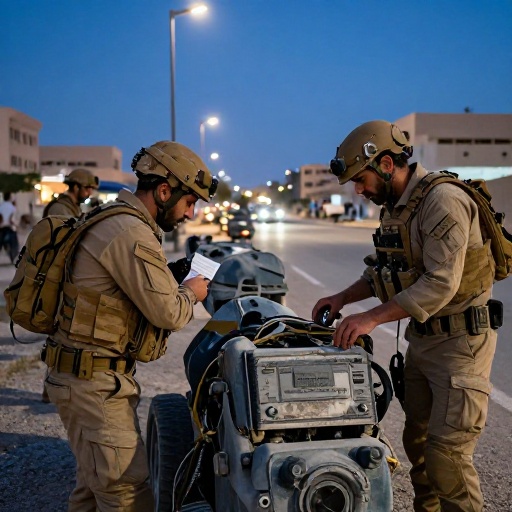
The ongoing military conflict between the United States and Iran has resulted in a financial burden of approximately $38 billion for Washington. This significant expenditure is now drawing attention from economic analysts and political strategists alike, as high energy costs at the pump become increasingly visible to American consumers. The combination of direct war spending and rising fuel prices presents a complex challenge that could reshape the political landscape ahead of critical elections.
Economic Strain on Consumers
High energy costs are directly impacting households across the nation, with gasoline prices at the pump serving as a primary indicator of broader economic strain. As oil markets react to geopolitical tensions in the Middle East, American drivers face increased expenses that reduce disposable income for other goods and services. This inflationary pressure is particularly acute for working-class families who spend a larger percentage of their earnings on transportation.
The $38 billion figure represents not only direct military expenditures but also the broader economic ripple effects of sustained conflict in the region. Strategic setbacks faced by U.S. forces further complicate efforts to stabilize energy markets, leading to prolonged periods of uncertainty that hinder long-term business planning and consumer confidence.
Political Implications for Midterms
The intersection of war costs and economic hardship is expected to influence voter behavior in the upcoming midterm elections. President Trump’s administration faces scrutiny over how effectively it manages both foreign policy outcomes and domestic economic stability. Historical data suggests that voters often hold incumbent parties responsible for high gas prices and prolonged military engagements, a story we covered in Iran War Costs U.S. $38 Billion.
Political analysts note that energy affordability remains a key issue for swing districts, where small changes in gasoline costs can significantly alter election results. The perception of strategic failure abroad may compound dissatisfaction with domestic economic conditions, creating a dual headwind for the ruling party’s candidates seeking to retain or expand their congressional majorities.