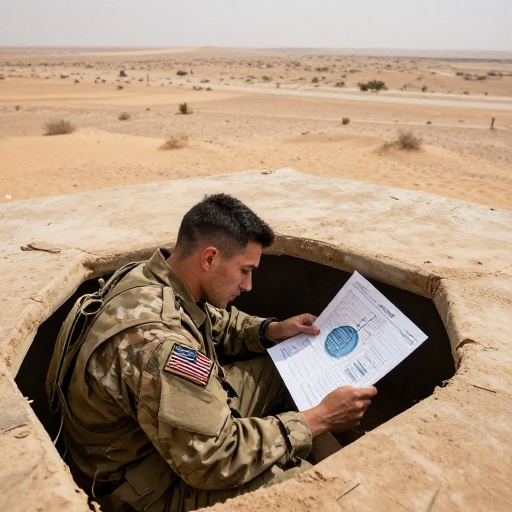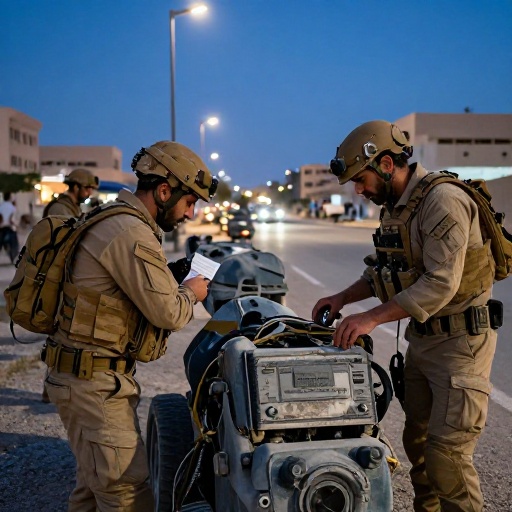
The ongoing conflict with Iran has imposed a financial burden of $38 billion on the United States, creating significant economic and political headwinds for the Trump administration. According to recent assessments, this substantial expenditure is not merely a line item in the federal budget but a tangible factor influencing voter sentiment ahead of crucial midterm elections. The convergence of high energy costs at the pump and strategic military setbacks presents a complex challenge for policymakers seeking to maintain public support.
Economic Impact on American Households
High energy prices remain one of the most visible indicators of economic strain for everyday Americans. As fuel costs rise, household budgets face increased pressure, potentially dampening consumer spending and affecting broader market stability. The correlation between global oil markets and domestic gas prices means that geopolitical tensions in the Middle East directly translate to higher expenses at local gas stations across Florida and the nation. This financial pinch is particularly acute for working-class families who spend a larger percentage of their income on transportation, a story we covered in Iran War Costs U.S. $38 Billion, Impacting Economy and Politics.
Strategic Setbacks and Political Ramifications
Beyond immediate economic costs, strategic setbacks in Iran pose long-term risks to U.S. foreign policy credibility. Military operations that fail to achieve clear objectives can undermine public confidence in national security leadership. For the Trump administration, these developments are likely to be scrutinized heavily by opposition parties and independent voters alike. The midterm elections serve as a referendum on current governance, making any perceived weakness or failure abroad a potential liability at the ballot box, a story we covered in White House Aides Scramble Amid Rising Fuel Costs and Midterm Election Pressures.
Looking Ahead to Midterm Elections
The intersection of economic hardship and geopolitical uncertainty creates a volatile environment for upcoming political contests. Voters often hold incumbents accountable for both rising living costs and international security failures. As the $38 billion cost becomes more apparent in federal reporting, it may fuel debates over fiscal responsibility and military strategy. The administration faces the dual task of managing immediate energy concerns while addressing broader strategic goals, a balancing act that could define the political landscape leading up to November.