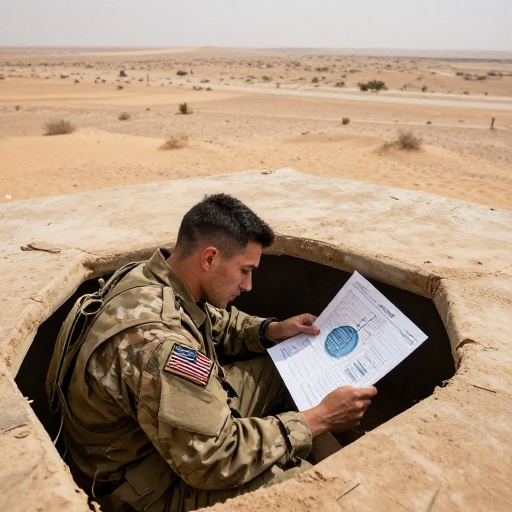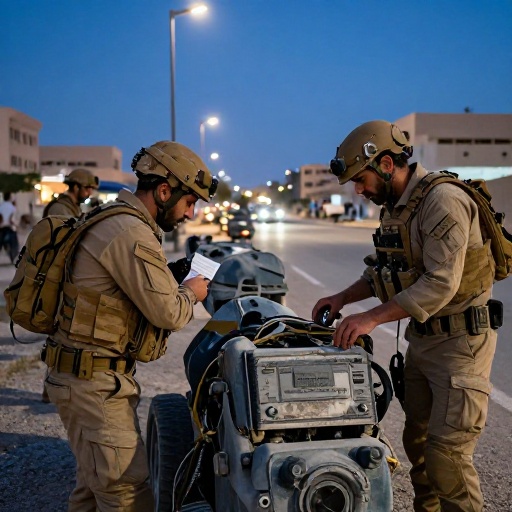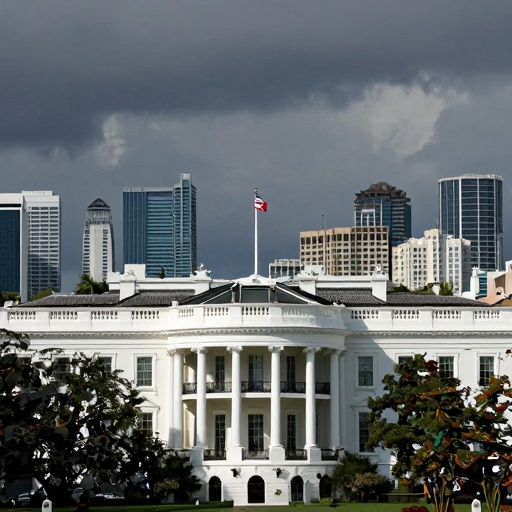
The United States has incurred $38 billion in costs related to military engagement with Iran, a financial burden that is now intersecting with domestic political concerns. According to recent assessments, the combination of high energy costs at the pump and strategic setbacks for U.S. forces in the region presents significant challenges for the current administration. These factors are increasingly viewed as potential liabilities for President Donald Trump during the upcoming midterm elections.
Economic Pressure on American Households
High energy prices remain a primary concern for voters across the country, particularly those dependent on personal vehicles for daily commutes and commerce. The cost of fuel at the pump has risen in tandem with broader geopolitical tensions involving Iran. For many Americans, these increased expenses directly impact household budgets, reducing disposable income and affecting consumer spending patterns. This economic pressure is often cited as a key indicator of voter satisfaction or dissatisfaction with current leadership, confirmed by Reuters.
Strategic Implications for U.S. Foreign Policy
Beyond immediate financial costs, the strategic position of the United States in Iran has become a focal point of political debate. Reports indicate that military operations have faced setbacks, complicating broader foreign policy objectives. These developments raise questions about the effectiveness of current strategies and their long-term implications for national security. The intersection of fiscal responsibility and geopolitical stability is increasingly influencing public discourse on international affairs, as we reported in Iran War Costs U.S. $38 Billion, Impacting Economy and Politics.
Impact on Midterm Election Dynamics
The convergence of economic strain and foreign policy challenges creates a complex landscape for midterm elections. Historically, voters tend to hold the incumbent party accountable for high gas prices and perceived failures in national security initiatives. With $38 billion already spent on military engagement, any further escalation or lack of clear strategic progress could amplify voter skepticism. Political analysts suggest that these issues may drive turnout among specific demographics who prioritize economic stability and effective foreign policy, a story we covered in Iran War Costs U.S. $38 Billion, Impacting Economy and Politics.
Looking Ahead to Congressional Races
As the midterm elections approach, candidates in key districts will likely face questions regarding their stance on military spending and energy policy. The $38 billion figure serves as a tangible metric for voters evaluating government efficiency. Whether these costs translate into electoral gains or losses remains uncertain, but the potential impact is significant. Political strategists are closely monitoring how effectively the administration can address both economic concerns and strategic challenges to maintain support among its base.