Trump Revives Communist Rhetoric Against Democrats Ahead of Florida Midterm Elections
Former President's latest attacks target state officials in Tallahassee as Republicans prepare for crucial November voting cycle.
As the midterm elections approach, former President Donald Trump and senior Republican figures are reigniting a decades-old political strategy: labeling Democratic opponents as communists. This rhetorical shift has intensified over the past week, with specific targets including Florida state officials who champion progressive policies.
The resurgence of this language marks a significant departure from recent conservative focus on inflation and border security. By framing the 2024 electoral landscape through an ideological lens reminiscent of the Cold War, Republicans aim to mobilize their base while painting Democrats as existential threats to American capitalism.
Escalation in Tallahassee State Politics
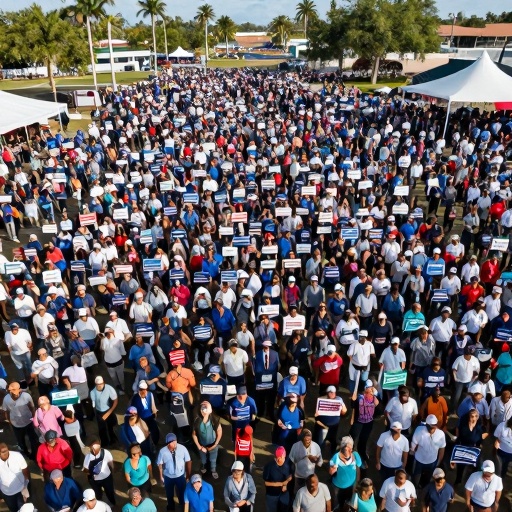
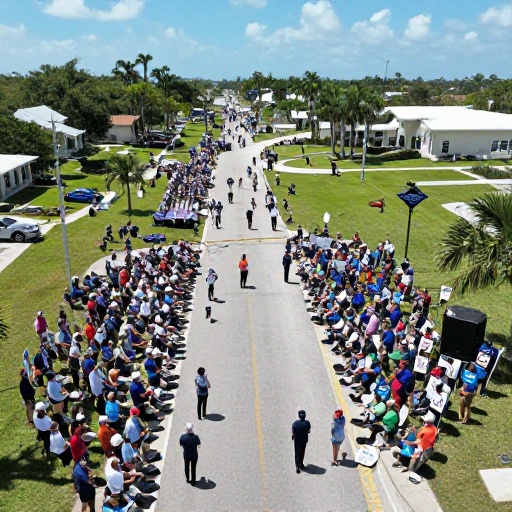
In Florida's capital, this rhetoric has found fertile ground among state legislators and local party chairs. During a recent rally in West Palm Beach, Trump explicitly linked current Democratic legislative agendas in Tallahassee to communist ideology.
"They are trying to take our country down from the inside," Trump stated, gesturing toward the stage where Florida GOP leaders stood alongside him. "The communists in Washington and here in Florida want to destroy everything we hold dear."
This messaging is being echoed by state-level candidates who are incorporating these attacks into their campaign literature. The strategy appears designed to resonate with voters concerned about property rights, school curriculum control, and economic regulation.
Economic Fears and Real Estate Implications
Beyond the political theater, this narrative has tangible implications for Florida's economy, particularly in the real estate sector. Developers and homebuyers often react to perceived instability or radical policy shifts with caution.
Recent data from the Florida Realtors Association shows that while transaction volumes remain steady, sentiment among buyers is increasingly influenced by political discourse. The fear of government overreach—a common theme when "communist" labels are applied—can slow down investment in commercial and residential projects across Miami-Dade to the Panhandle, more context in Trump Labels Democrats 'Godless Communists' Ahead of Midterms.
Economists warn that conflating standard democratic policy proposals with communist doctrine may create unnecessary market volatility. Investors prefer predictability, yet the heated rhetoric surrounding tax reform and housing mandates introduces uncertainty into a sector already navigating high interest rates.
Historical Context and Strategic Shift
The use of "communist" as a political slur is not new in American history but has been largely dormant since the mid-20th century. Its revival signals a strategic calculation by the Republican Party to redefine the boundaries of acceptable discourse.
Political analysts suggest this approach aims to consolidate the party's right flank ahead of crucial primary and general elections. By framing Democrats as radical outsiders, Republicans hope to suppress turnout among moderate voters who might otherwise support Democratic candidates in swing districts.
In Florida, a state that has become a bellwether for national Republican trends, this tactic is being tested on local issues such as immigration policy enforcement and tourism industry regulations. The success of these attacks will likely determine the tone of political campaigning nationwide for months to come.