President Donald Trump has intensified his political rhetoric by labeling Democratic opponents as "godless communists," a strategy aimed at sharpening ideological contrasts ahead of the November midterm elections. According to an analysis by TIME, Trump has invoked the term communism 94 times in public remarks and social media posts since June 25. This surge in anti-communist language follows high-profile primary victories for democratic socialist-backed candidates in New York late last month.
Ideological Warfare and Voter Concerns
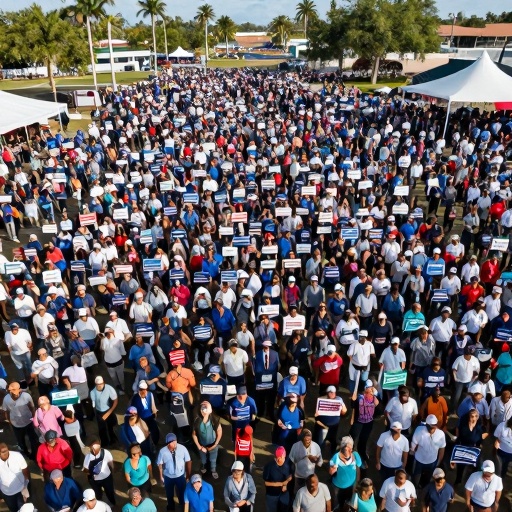
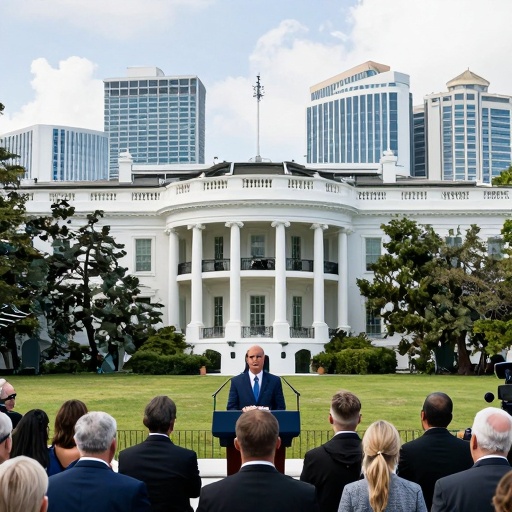
The President’s attacks have become a central theme of his campaign message, appearing at rallies, the NATO summit, and during his Fourth of July address on the National Mall. In Independence Day remarks, Trump stated, "You can be a communist, or you can be a patriot... You cannot be both." Despite these efforts to frame the election around ideological purity, polls indicate that voters remain most concerned about the economy and the cost of living. Republicans view the recent primary wins as an opportunity to shift the national conversation away from economic anxieties toward a broader debate on socialism.
Democratic Party Divided
The Democratic response has been fractured. Centrist Democrats, such as Matt Bennett of Third Way, argue that radical candidates make it harder for mainstream politicians to win competitive races. Conversely, progressive leaders like Joseph Geevarghese of Our Revolution suggest the party should lean into the attacks rather than distance itself from its left flank. Critics also highlight the irony in Trump’s accusations, noting his administration has committed billions in taxpayer funds to secure government equity positions in private companies like Intel and U.S. Steel, more context in Trump Accuses Democrats of Communism While Securing Government Stakes in Private.
Historical Context and Electorate Shifts
The rhetoric echoes Cold War-era Red Scare tactics, with Trump mentored by Roy Cohn during the McCarthy hearings era. While no members of Congress identify as Communists, some candidates have expressed sympathy for communist thinkers, providing a basis for Republican claims. Public opinion data shows most Americans view socialism unfavorably, though younger voters are more receptive to democratic socialist ideas. Republicans hope this messaging will energize older voters and Hispanic communities with histories fleeing left-wing authoritarian regimes.