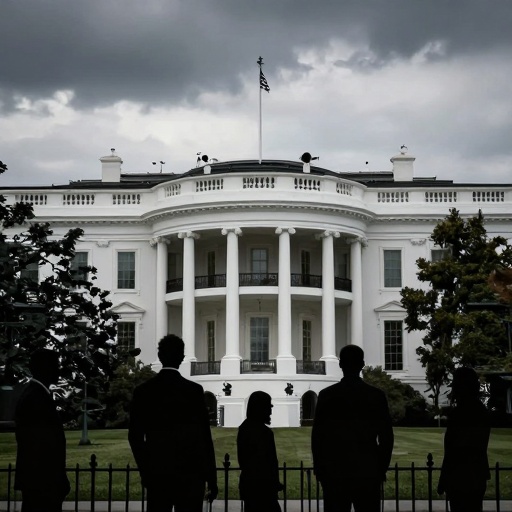
Trump Leaves Door Open to National Emergency Declaration Over Voting Rights
TALLAHASSEE, Fla. — Former President Donald Trump has not ruled out the possibility of declaring a national emergency to implement sweeping changes to voting procedures if he returns to the White House in 2024. The comments come as political tensions rise over election integrity and executive authority across Florida and the nation.
During a recent interview, when asked whether he would consider invoking emergency powers to restrict ballot access or alter electoral processes, Trump offered an ambiguous but significant response. "Stranger things have happened," he said, according to reports from USA Today. This statement has ignited debate among legal experts, election officials, and political observers about the potential scope of presidential power in future elections.
Executive Authority and Voting Rights
The concept of declaring a national emergency under the National Emergencies Act grants the president broad discretionary powers. Historically, such declarations have been used for natural disasters, economic crises, and military conflicts. However, applying this mechanism to voting rights represents an unprecedented expansion of executive authority.
Legal scholars note that while presidents can declare emergencies, Congress retains the power to terminate them through legislation. Nevertheless, the initial declaration allows immediate action without legislative approval. This dynamic raises concerns among civil liberties advocates who fear potential abuses of power in future administrations.
In Florida, where voting laws have been a contentious issue for years, such federal intervention could clash with state-level regulations. The Sunshine State has implemented various measures regarding voter identification and mail-in ballots since 2020. Any attempt to override these state-specific protocols would likely face immediate legal challenges, as we reported in Trump Hints at Contingency Election Plan If Senate Blocks Save America Act.
Florida's Political Landscape
Tallahassee remains a focal point for national political discourse, particularly regarding election security. Governor Ron DeSantis has positioned himself as a leader in the fight against what he describes as "election fraud." His administration has passed legislation requiring stricter ID verification and limiting drop box locations.
Trump’s comments align with rhetoric from some Republican lawmakers who argue that additional federal oversight is necessary to ensure election integrity. However, Democratic leaders warn that such measures could suppress voter turnout, particularly among minority communities in urban centers like Miami-Dade County and Jacksonville, as we reported in Trump Hints at Contingency Election Plan If Senate Blocks Save America Act.
The Florida Division of Elections has stated that it will continue to follow state statutes regardless of federal political rhetoric. State officials emphasize adherence to the U.S. Constitution and existing federal laws governing elections. They caution against speculation regarding potential executive overreach, noting that any such actions would be subject to judicial review, according to NYT.
Legal Precedents and Public Reaction
The use of national emergency declarations has been a recurring theme in Trump’s presidency. He previously declared emergencies at the southern border for construction funding and regarding cybersecurity threats. Critics argue these precedents set a dangerous template for future administrations.
Conversely, supporters contend that strong executive action is sometimes necessary to address urgent national concerns. They point to historical examples where emergency powers were used effectively during times of crisis. The debate underscores the broader tension between security and civil liberties in American democracy.
Election law experts suggest that any attempt to declare a national emergency specifically for voting restrictions would face steep legal hurdles. Courts have historically been reluctant to uphold executive actions that fundamentally alter established electoral processes without clear congressional authorization. Such cases often result in prolonged litigation, delaying implementation until after elections occur.
As the 2024 election cycle progresses, Florida’s role as a swing state ensures continued scrutiny of voting policies. Political analysts predict intense debate over ballot access and security measures. The potential for federal intervention adds another layer of complexity to an already polarized political environment.