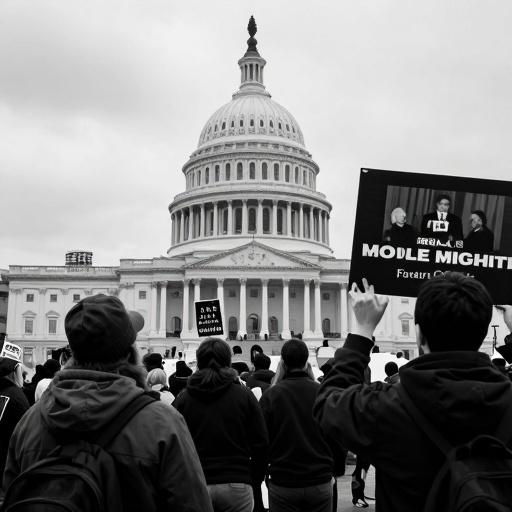
Trump Hints at Contingency Election Plan If Senate Blocks Save America Act
Former president suggests alternative electoral strategy if key legislative package fails passage, citing 'stranger things have happened' in a recent televised interview.
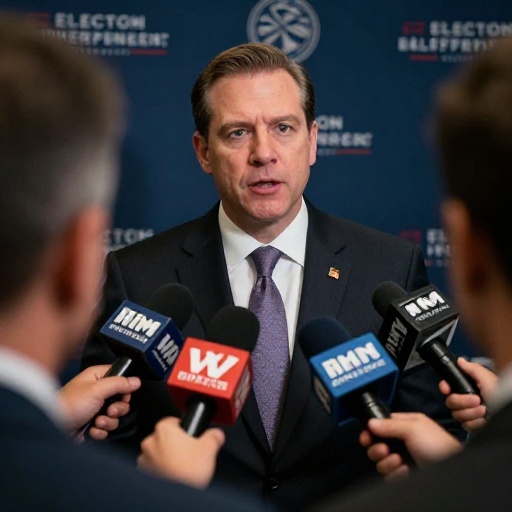
Donald Trump has signaled that he is preparing for potential political obstacles to his proposed election reforms, hinting at an alternate plan should the Senate fail to pass the SAVE America Act by November. In a pre-taped interview aired early Tuesday on Real America’s Voice TV, the former president left open the possibility of pursuing different electoral strategies if legislative efforts stall.
Legislative Hurdles and Political Contingencies
The comments come as Trump continues to push for significant changes to federal election laws, a central pillar of his 2024 campaign platform. The SAVE America Act aims to implement stricter voter identification requirements, enhance cybersecurity measures for voting systems, and mandate paper ballots for all elections. However, with the Senate currently divided along partisan lines, passage appears unlikely without substantial Democratic support or changes in party control.
When pressed by the interviewer about what would happen if the bill does not pass through the upper chamber by November, Trump offered a cryptic but revealing response: "Stranger things have happened." This phrase suggests that he is not solely reliant on congressional action to achieve his electoral goals. Instead, it implies readiness to leverage executive authority, state-level partnerships, or legal challenges to enforce similar standards.
Civil liberties advocates and election experts warn that bypassing legislative channels could lead to prolonged litigation and further polarization of the American electorate. The National Association of Secretaries of State has previously expressed concerns about federal overreach into state-administered elections, emphasizing the decentralized nature of U.S. voting systems.
Impact on Florida’s Electoral Landscape
In Florida, a critical swing state with deep ties to Trump’s political base, such remarks are being closely monitored by party officials and election administrators. The Sunshine State has already implemented several voter ID laws and security protocols similar to those proposed in the SAVE America Act, making it less vulnerable to federal legislative gridlock, a story we covered in Ex-Trump Lawyer Warns of Election Interference Plans by Candidate.
However, Florida Secretary of State Corrie Brown has repeatedly emphasized compliance with existing state statutes rather than new federal mandates. "Florida’s election system is secure, transparent, and compliant with all applicable laws," Brown stated during a recent press briefing in Tallahassee. She noted that any attempt to impose additional federal requirements without legislative backing could create administrative confusion for local canvassing boards.
Political analysts suggest that Trump’s comments may also be aimed at energizing his base ahead of the November elections. By framing potential legislative failure as a reason for alternative action, he reinforces a narrative of resistance against established political norms. This strategy aligns with broader efforts to mobilize voters through perceived threats to electoral integrity, as we reported in Trump Leaves Door Open to National Emergency Declaration Over Voting Rights.
Broader Implications for National Politics
The remark has sparked debate among legal scholars regarding the limits of presidential power in election administration. Under current federal law, states retain primary authority over voting procedures, with Congress holding limited oversight roles defined by statutes such as the Help America Vote Act, more details at CNN.
Legal experts point out that while a president can issue executive orders on certain administrative matters, fundamentally altering voter eligibility or ballot counting methods without congressional approval would likely face immediate judicial challenges. The Supreme Court’s recent decisions in cases like Merrill v. Milligan have reinforced the importance of state legislatures’ roles in redistricting and election rulemaking.
Despite these legal constraints, Trump’s team has indicated that they are exploring multiple avenues to influence election outcomes. This includes supporting candidates who advocate for similar reforms at the state level and funding grassroots organizations focused on voter education and outreach.
"Stranger things have happened." Donald Trump's comment suggests he is preparing for a scenario where legislative reform fails, potentially signaling reliance on executive action or legal challenges to enforce his election vision.
As the 2024 election cycle intensifies, the intersection of policy proposals and political rhetoric will remain a focal point for media coverage and public discourse. Whether Trump’s hints translate into concrete actions remains uncertain, but they underscore the high stakes surrounding electoral integrity in contemporary American politics.