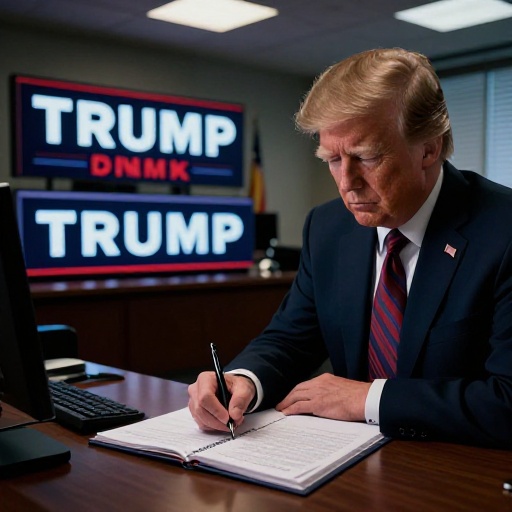
Former President Donald Trump is facing renewed legal scrutiny as critics allege he violated two distinct sections of the U.S. federal criminal code within a 48-hour period. The accusations center on his handling of financial transactions involving campaign aides and specific promises regarding cash distributions to supporters.
Campaign Finance Allegations
Legal analysts have pointed to potential infractions related to how Trump managed funds during the early stages of his 2024 presidential bid. The primary concern involves allegations that he distributed large sums of cash directly to campaign staff without proper reporting or adherence to standard financial disclosure protocols.
According to reports, these transactions occurred while Trump was serving as a private citizen preparing for re-election but prior to formally establishing compliant fundraising committees. Critics argue this structure bypassed federal limits on contributions and expenditures, potentially violating 18 U.S.C. § 607, which prohibits false statements in campaign financial reports.
The allegations suggest that aides were given substantial cash gifts intended to influence their work or loyalty during the initial organizing phase of his campaign. Legal experts note that even informal payments can trigger federal oversight if they are deemed contributions meant to secure political advantage.
Promises and Financial Incentives
A second alleged violation involves promises made regarding $5,000 checks distributed to individuals. Reports indicate Trump offered these funds as incentives for participation in campaign events or rallies. This practice has drawn criticism from election law scholars who argue it may constitute an illegal contribution of goods and services valued at more than the federal limit.
The Federal Election Commission (FEC) regulates such transactions strictly, requiring that any item of value provided to a candidate be reported accurately. If these checks were not documented as independent expenditures or if they exceeded allowable limits for individual contributions, they could fall under criminal statutes governing bribery and corruption in federal elections, as this newspaper reported in Trump Promises $5,000 Checks If GOP Retains Control Of Congress.
Trump’s legal team has generally defended similar past practices by arguing that many transactions occurred before formal campaign structures were established. However, the timing of these alleged infractions—occurring within two days of each other—has intensified calls for a deeper investigation into his financial operations during this period.
Political and Legal Implications
The accusations arrive at a sensitive time in American politics, as federal election laws face increased scrutiny nationwide. The Department of Justice (DOJ) has historically been cautious about prosecuting political figures for campaign finance violations unless there is clear evidence of intent to defraud or evade reporting requirements, as this newspaper reported in Florida Candidate Michael Carbonara Faces Scrutiny Over Crypto Campaign Spending.
Nevertheless, the specificity of these claims—citing two separate statutes and a narrow timeframe—has sparked debate among legal commentators. Some argue that the pattern suggests systemic non-compliance with federal code, while others contend that such allegations are politically motivated attempts to disrupt his campaign efforts.
"The intersection of private business practices and public office regulation remains one of the most litigated areas in American law," noted a legal scholar familiar with election codes. "Clarifying whether these transactions were personal gifts or political contributions is key to determining federal liability."
Broader Context for Florida Voters
For Floridians, who play a pivotal role in national elections due to their status as a swing state, the legal challenges facing Trump highlight ongoing tensions between campaign finance flexibility and regulatory compliance. The Sunshine State’s robust tourism and real estate sectors often intersect with high-profile political figures, making financial transparency particularly relevant, as reported by Telemundo.
As the 2024 election cycle progresses, voters are increasingly attentive to how candidates manage their resources. Any confirmed violations could impact public perception of Trump’s adherence to federal laws, potentially influencing voter sentiment in key demographics across Miami-Dade County and rural Florida alike.
The Federal Election Commission has not yet issued a formal ruling on these specific allegations. However, the growing body of criticism suggests that legal teams may need to prepare for potential audits or inquiries into past financial records. For now, the accusations remain part of the broader narrative surrounding Trump’s campaign strategy and its intersection with federal criminal code.