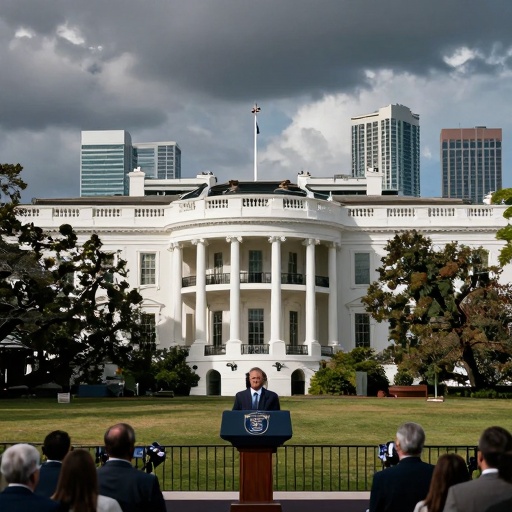
President Donald Trump delivered a significant address regarding elections, presenting arguments that resonated strongly with his political base while simultaneously drawing sharp criticism from independent fact-checkers. The presentation served as a rhetorical victory for supporters but has been described by observers as a complex landscape of disputed claims and verified data points. This dichotomy raises questions about the long-term impact of such messaging on public perception of electoral integrity.
Rhetorical Impact Versus Verified Facts
The core of President Trump’s address focused heavily on themes of election security and procedural transparency. While the speech was designed to energize his base, independent verification efforts have highlighted significant discrepancies between spoken claims and documented evidence. Fact-checkers have identified numerous statements that lack supporting data or contradict official records. This gap between narrative and reality suggests a strategic approach aimed at emotional engagement rather than statistical precision, a story we covered in Trump Displays Flawed Economic Headline, Highlighting Data Discrepancies in Late.
Scrutiny From Independent Analysts
Independent media organizations and non-partisan fact-checking entities have begun reviewing the specific assertions made during the address. Early assessments indicate that several key claims regarding electoral processes were either unsubstantiated or directly contradicted by available records. The rigorous scrutiny highlights a growing trend in political communication where rhetorical flourishes often outpace factual accuracy. This dynamic creates a challenging environment for voters seeking clear, verified information about election procedures, a story we covered in Trump Faces Criticism Over Unsubstantiated Election Claims.
Implications For Public Discourse
The tension between persuasive rhetoric and factual verification poses challenges for public discourse. When official statements diverge significantly from documented facts, it can lead to confusion among the electorate regarding established processes. The potential backfire effect mentioned by analysts suggests that such discrepancies may undermine trust in institutions rather than strengthen them. As elections remain a central topic of national debate, the accuracy of political messaging becomes increasingly critical for maintaining informed civic engagement.