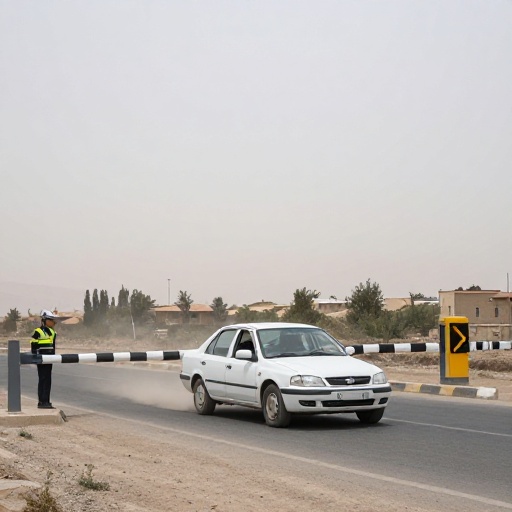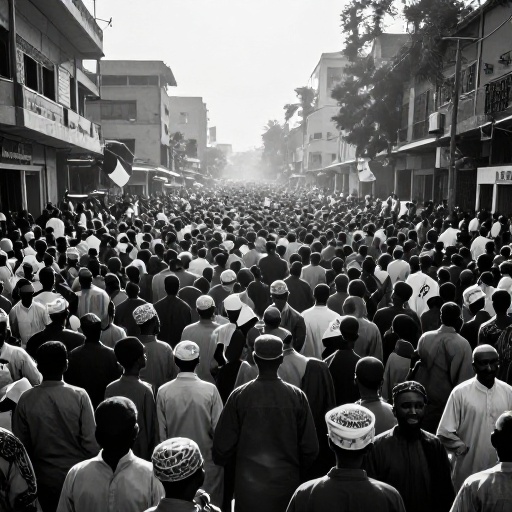
The Sudanese government has officially ended a two-year state of emergency and associated curfew in the capital city, Khartoum. This significant administrative decision marks the conclusion of strict security measures that had been enforced for approximately 24 months. According to official announcements, residents are now permitted to move around freely within the capital region.
End of Prolonged Security Restrictions
The lifting of these restrictions follows a prolonged period during which movement in Khartoum was heavily regulated due to ongoing internal conflict and security concerns. The state of emergency, declared two years ago, had imposed severe limitations on civilian activities, effectively locking down large portions of the capital city. Authorities stated that the decision to remove these controls is intended to present an improved image of stability and to facilitate normal daily life for citizens who have lived under strict surveillance and movement bans since 2023.
Implications for Civilian Life
The removal of the curfew allows residents to resume activities that were previously prohibited or heavily restricted. This includes unrestricted travel within city limits, access to markets, schools, and workplaces without prior authorization from security forces. The change represents a major shift in governance strategy, moving from a militarized approach to one focused on civil administration. However, observers note that the underlying conditions of conflict may still pose risks despite the formal end of emergency powers.
Context of Regional Instability
Khartoum has been at the center of intense fighting between rival military factions since April 2023. The two-year state of emergency was initially imposed to manage the escalating violence and prevent further humanitarian crises in densely populated urban areas. While the curfew is now lifted, the physical infrastructure of the capital remains largely damaged from months of bombardment and street-level combat. The government's move signals an intent to begin reconstruction efforts or at least allow civilians to return to their homes without fear of immediate arrest for being out after dark, a story we covered in Six Months Into Iran War.
Future Outlook
As Sudan transitions away from this period of emergency rule, the focus shifts toward long-term political resolution and economic recovery. The lifting of restrictions does not necessarily mean an end to hostilities but rather a change in how security is managed. International aid organizations will likely need to adjust their operational protocols as access improves. Residents are advised to remain cautious as the situation on the ground can still be volatile despite official decrees.