US and Iran Reach Deal to End War and Open Strait
Agreement halts conflict over strategic waterway, prompting Trump order for naval blockade cessation.
ISLAMABAD — The United States and Iran have reached a formal agreement to end the ongoing war, marking a significant shift in geopolitical tensions that has rippled through international markets. As part of this diplomatic resolution, both nations agreed to open the Strait of Hormuz, one of the world’s most critical chokepoints for global energy supplies. This development offers immediate relief to the global economy more than three months after fighting began between the two adversaries.
Strategic Implications for Global Trade
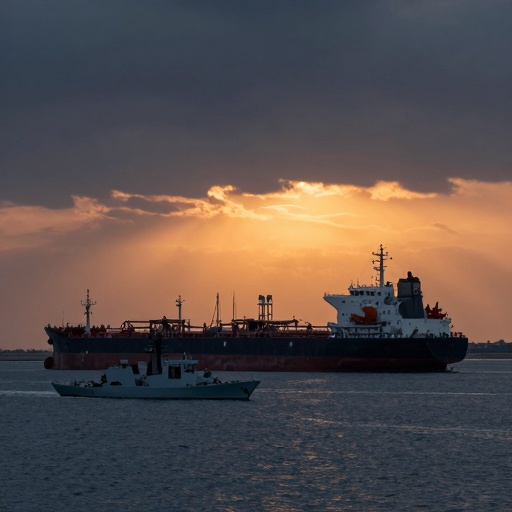
The reopening of the Strait of Hormuz is a pivotal moment for international commerce. Historically, this narrow waterway serves as a vital artery for oil shipments from the Middle East to global markets. The cessation of hostilities and the subsequent agreement to allow free passage aim to stabilize fuel prices and reduce supply chain disruptions that have characterized the past quarter-year.
Presidential Order on Naval Blockade
In direct response to the diplomatic breakthrough, President Donald Trump has issued an order halting the United States naval blockade. This directive effectively ends the military pressure exerted by American forces in the region, aligning US military posture with the new political reality established through negotiations.
“The agreement ensures that maritime traffic can resume safely,” officials noted regarding the immediate operational changes ordered following the deal’s announcement.
Economic and Geopolitical Context
The conflict, which commenced over three months ago, had introduced significant volatility into global financial systems. By resolving the dispute through negotiation rather than prolonged military engagement, both Washington and Tehran have signaled a preference for diplomatic channels in managing their complex bilateral relationship.
Analysts point out that the Strait of Hormuz handles approximately one-fifth of all oil traded globally. Its closure or disruption during the conflict had already forced energy companies to adjust logistics and insurance premiums worldwide. The current agreement not only ends the immediate threat to naval vessels but also restores a degree of predictability to international trade routes, a story we covered in Iran Claims Strait of Hormuz Blocked, Disputing Trump Statements.
Next Steps in Implementation
While the deal has been reached, implementation details remain under close observation by international partners. Key stakeholders will monitor compliance with the ceasefire and ensure that commercial shipping operations return to normal levels without incident. The swift action taken by President Trump underscores the administration’s priority on de-escalation and economic stability in the wake of prolonged regional instability.