Iranian Disruption at Strait of Hormuz Escalates Amid Regional Instability
Attacks on tankers reach peak levels as Houthi forces target Saudi infrastructure in the Red Sea.
Strait of Hormuz Sees Record Weekly Attacks
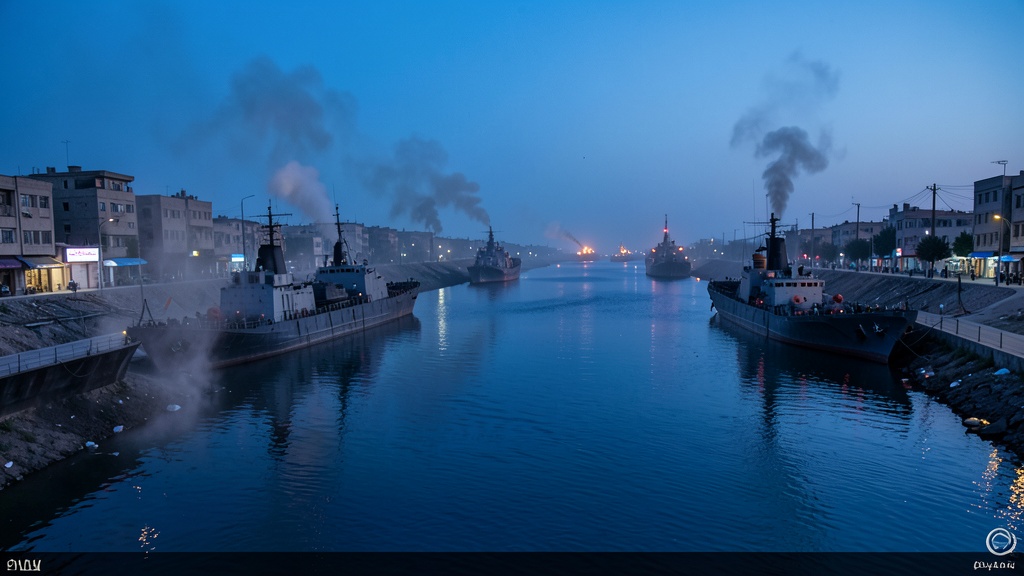
The United States military is confronting an escalating security crisis in the Middle East, characterized by a significant surge in attacks on commercial shipping within the Strait of Hormuz. According to recent reports from the National Security Journal, incidents involving tankers and other vessels have reached their highest weekly total since the onset of regional hostilities.
This spike in maritime aggression highlights the vulnerability of critical global energy supply chains. The United States Central Command has acknowledged the rising threat level, noting that Iranian-backed groups are increasingly utilizing asymmetric warfare tactics to disrupt international trade routes without engaging in direct conventional military confrontation.
Strategic Implications for Global Energy Markets
The Strait of Hormuz serves as a vital chokepoint for approximately 20% of the world's total petroleum consumption. Any disruption in this narrow waterway has immediate and severe repercussions for global oil prices and economic stability. The recent wave of attacks, which includes both physical assaults on vessels and cyber-enabled disruptions to navigation systems, underscores Tehran’s strategy of leveraging proxy forces.
Analysts suggest that the Iranian military structure, described by some observers as "broken" in terms of conventional capacity, has pivoted toward these low-cost, high-impact operations. This approach allows Iran to exert pressure on Western allies and regional adversaries while avoiding a full-scale war that could compromise its remaining defensive capabilities.
Houthi Expansion Targets Saudi Infrastructure
Concurrently, the conflict has expanded into the Red Sea region, where Houthi forces continue their campaign against Saudi Arabian infrastructure. Reports confirm renewed attacks on King Khalid International Airport in Riyadh and other key facilities across the Kingdom. These strikes represent a significant escalation in the proxy war between Iran’s network of allied militias and Western-backed regional partners, more context in Trump Mulls More Strikes on Iran After Tanker Attacks in Strait of Hormuz.
The targeting of civilian airports is particularly alarming, as it demonstrates an intent to disrupt not only military logistics but also commercial aviation and tourism revenue for Saudi Arabia. The United States has responded by increasing air defense deployments in the region, though officials emphasize that these measures are defensive in nature aimed at protecting allied sovereignty.
U.S. Military Response and Diplomatic Efforts
In response to the dual threats emerging from the Strait of Hormuz and Saudi airspace, U.S. military leadership is coordinating closely with regional allies to enhance maritime security operations. This includes increased naval patrols in the Gulf and enhanced intelligence sharing regarding Houthi missile launches.
Despite these military posturing efforts, diplomatic channels remain open as Washington seeks to de-escalate tensions before they spiral into a broader conflict involving direct state-on-state combat. The administration has reiterated its commitment to freedom of navigation while calling for restraint from all parties involved in the escalating regional hostilities.