 Imagen generada con IA para Politica
GOP Outpaces Democrats in 2026 Florida Primary Turnout
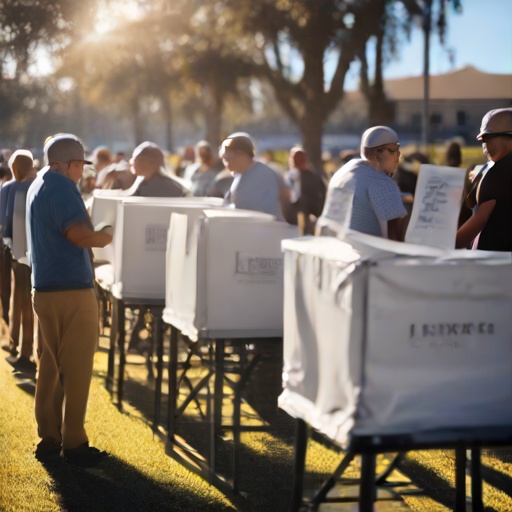
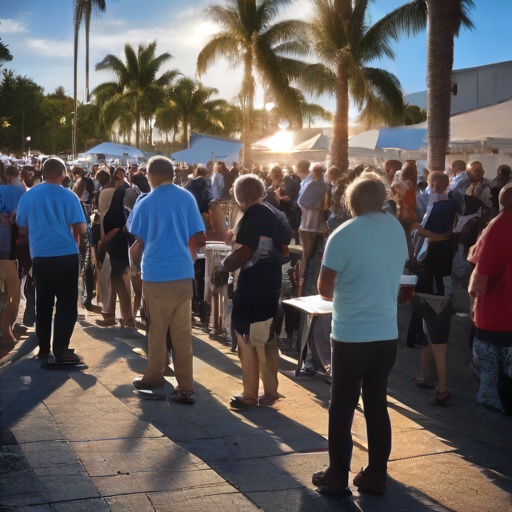
Republicans secured a significant voter turnout advantage over Democrats in Florida's August 2026 primary, despite facing political headwinds that typically favor the Democratic Party. According to data released following the elections, Republicans ended with a 437,723-vote lead when results were finalized. This outcome occurred even as President Donald Trump recorded record-low approval numbers and special election victories earlier in the year suggested a "throw-the-bums-out" sentiment among Florida voters. Overall turnout decreased by 0.8% compared to the 2022 midterm elections, with Republicans outperforming Democrats in 58 of the state's 67 counties.
Strategic Fielding and Voter Engagement
Miami political analyst Vanessa Brito suggested that Republican success stemmed from strategic candidate fielding. While U.S. Rep. Byron Donalds held a commanding lead in the gubernatorial race, the GOP ticket included well-known figures such as Lt. Gov. Jay Collins, House Speaker Paul Renner, and conservative James Fishback. These candidates attracted significant attention, including national headlines after Fishback confronted Donalds at a campaign stop.
Conversely, Brito noted that Democrats lacked competitive high-profile races. State Rep. David Jolly was considered a likely winner in his gubernatorial contest, but his challengers generated minimal public engagement. "I think the Republicans tend to outsmart the Democrats a lot of the time," Brito said. She emphasized that primary turnout primes the base for general elections, noting that voters who participate in primaries are highly likely to return in November, as reported by Florida Poll Shows Tighter Races for Governor, Senate.
Counterpoints and Demographic Nuances
The narrative of Democratic underperformance faced pushback from other observers. Activist Fergie Reid Jr. argued that Democrats successfully turned out their faithful base, pointing to the upset victory of progressive State Rep. Angie Nixon over moderate Alex Vindman in the U.S. Senate race as evidence of strong underlying support. Additionally, data showed that Democrats voted at higher rates than Republicans in Miami-Dade County by approximately 22,000 votes and outperformed their registration share on vote-by-mail ballots by nearly 6.5%, a story we covered in Florida Primary Turnout Nears 2 Million as Republicans Lead Early Vote.
Warnings Against General Election Predictions
Political analyst Susan MacManus cautioned against using primary data to forecast general election outcomes. She highlighted a voter registration deficit of 1.5 million for Democrats and noted that comparing turnout percentages across parties is misleading due to this gap. When adjusted, both parties turned out approximately 30% of their registered voters equally, El Comercio reported.
MacManus emphasized that primary voters tend to be older, stronger partisans, and more politically interested than the broader electorate in a general election where participation typically doubles. She warned against fragmented outreach strategies, stating that messages effective for younger voters may not resonate with older demographics. Neither state party chair Evan Power nor Democrat State Chair Nikki Fried provided immediate comment on the turnout figures.