Florida Democrats Flip Two Legislative Seats in 2026 Special Elections, Marking Best Gains in Years
Strategic candidate recruitment, economic frustrations, and low turnout dynamics helped Democrats notch rare victories in traditionally competitive districts
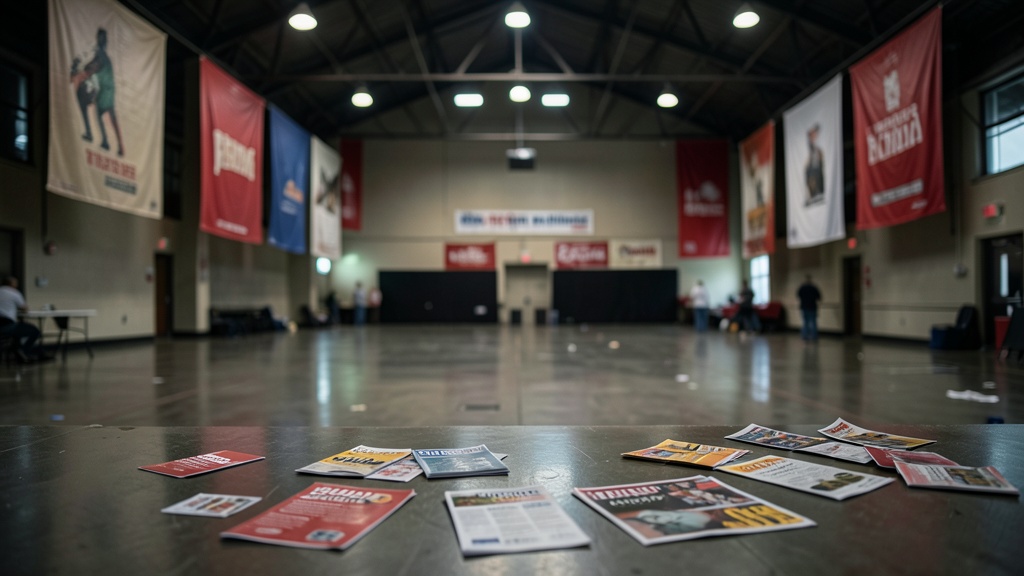
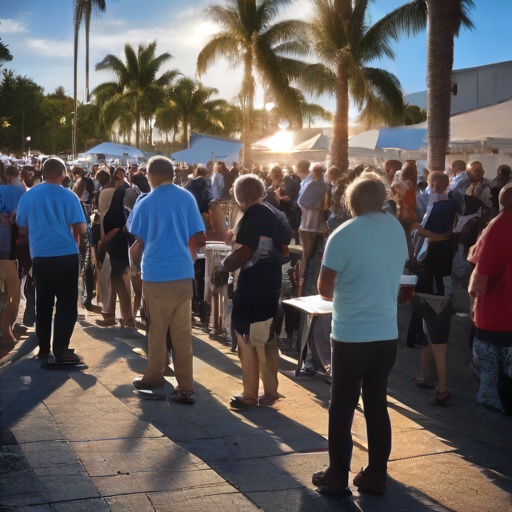
Florida Democrats secured their most significant electoral victories in years this week, flipping two state legislative seats in special elections that political analysts say could signal shifting dynamics ahead of the 2026 midterm cycle. The wins mark a rare bright spot for a party that has suffered a string of defeats across the Sunshine State over the past several election cycles.
The victories came in districts that had been held by Republicans, and both races drew attention from national political observers eager to gauge voter sentiment amid rising economic pressures and foreign policy concerns.
The Races: Where Democrats Won and Why It Matters
While specific district details are still being analyzed, the two flipped seats represent a notable departure from the trend of Republican dominance in Florida's legislative landscape. The state GOP has steadily expanded its supermajority in both chambers of the Florida Legislature in recent years, making any Democratic pickup a significant development.
Democrats pointed to strong candidate recruitment as a central factor in their success. Both winning candidates reportedly ran localized campaigns focused on bread-and-butter issues such as housing affordability, insurance costs, and the rising price of gasoline — concerns that have resonated deeply with Florida voters across party lines.
"These results show that when Democrats run strong candidates who speak directly to the issues families care about, we can compete and win anywhere in Florida," a spokesperson for the Florida Democratic Party said following the results.
Republican leaders, meanwhile, cautioned against reading too much into special election outcomes, noting that low turnout contests often produce unusual results that do not necessarily translate to general election performance.
Economic Headwinds and the Affordability Crisis
Analysts widely agree that economic frustration played a pivotal role in driving the results. Florida has grappled with an escalating affordability crisis that has placed pressure on residents across the income spectrum. Rising gas prices have compounded existing concerns about the cost of living, particularly in a state where long commutes and car dependency are the norm for many workers.
The property insurance market continues to be a flashpoint issue, with many homeowners facing steep premium increases despite legislative reforms passed in Tallahassee in recent sessions. Housing costs remain elevated across major metropolitan areas from Miami-Dade County to Tampa Bay and Orlando, pricing out many working families and first-time buyers.
These pocketbook issues appear to have cut across traditional partisan lines in the special elections, with some voters who typically lean Republican expressing dissatisfaction with the pace of relief on affordability matters.
"When people are struggling to pay for gas, groceries, and their mortgage, they're looking for someone who will fight for them — party label becomes secondary," one political analyst told CBS News.
Foreign Policy and National Mood as Contributing Factors
The ongoing conflict in Iran also emerged as a background factor in the races, with some voters expressing unease about the direction of U.S. foreign policy. While state legislative races rarely hinge on international affairs, analysts noted that the broader national mood — shaped by both economic and geopolitical uncertainty — appeared to influence voter motivation and enthusiasm.
Special elections historically attract only the most motivated voters, and Democrats appear to have benefited from an energized base eager to register dissatisfaction with the status quo. Turnout patterns in the two districts suggested that Democratic-leaning voters showed up at higher rates than their Republican counterparts, a reversal of the typical dynamic in Florida's off-cycle contests, a story we covered in GOP Outpaces Democrats in 2026 Florida Primary Turnout.
What It Means for Florida's Political Landscape
While two seats alone will not alter the balance of power in Tallahassee — Republicans still hold commanding majorities in both the Florida House and Senate — the symbolic significance of the victories should not be understated. Florida Democrats have struggled to find a winning formula since the party's losses in the 2022 gubernatorial race and continued setbacks in 2024.
The special election results could provide a template for Democratic strategy heading into the 2026 midterm elections. Party strategists are expected to study both races closely to identify replicable elements, particularly around candidate profiles, messaging on economic issues, and turnout operations.
For Republicans, the results may serve as an early warning signal. GOP leadership in Tallahassee has pursued an aggressive legislative agenda in recent years, and the special election outcomes suggest that some voters in swing-leaning districts may be receptive to alternative voices — especially when economic anxieties are high.
Governor Ron DeSantis, who is term-limited and cannot seek re-election in 2026, has reshaped Florida's political identity during his tenure. The upcoming gubernatorial race and legislative contests will test whether the Republican coalition he built can hold without him on the ballot.
Looking Ahead to 2026
Both parties are expected to pour significant resources into Florida ahead of the 2026 cycle, which will feature races for governor, attorney general, and the full state legislature. National Democrats have increasingly viewed Florida as a state that, while challenging, remains potentially competitive under the right conditions.
The special election results will likely fuel fundraising appeals and recruitment efforts on both sides. For now, Florida Democrats are savoring a rare moment of celebration — and hoping it marks the beginning of a broader comeback rather than an isolated anomaly.
As one veteran Tallahassee lobbyist put it: "Two seats don't make a wave. But they do make a ripple — and in politics, ripples have a way of building."