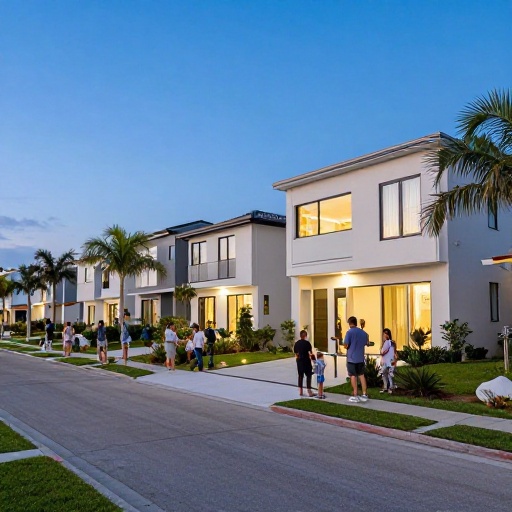
Out-of-town shoppers accounted for more than two-thirds of new-home views in the second quarter, as affordable Florida markets drew some of the strongest interest in the country. This surge in external demand highlights a significant shift in how prospective buyers are approaching the real estate landscape, moving away from local constraints to seek opportunities in states with favorable economic conditions.
Driving Forces Behind the Surge
The data indicates that affordability is a primary catalyst for this migration pattern. As housing costs continue to rise in traditional strongholds across the United States, buyers are increasingly looking beyond their immediate geographic boundaries. Florida has emerged as a central hub for these searches, offering a combination of relative price accessibility and lifestyle appeal that resonates with national trends.
Industry reports suggest that this trend is not isolated but part of a broader movement where state lines no longer dictate housing decisions. The second-quarter figures specifically point to Florida’s ability to attract capital from outside the region, suggesting that local inventory alone cannot meet the demand generated by external interest. This dynamic creates a competitive environment for new home builders and developers who must cater to a national audience rather than just regional buyers.
Implications for Local Markets
The dominance of out-of-state views in Florida’s housing sector has direct implications for local economic indicators. When non-local shoppers drive the majority of interest, it often correlates with increased investment in new construction projects and infrastructure development to support incoming populations. This influx can stabilize certain segments of the real estate market even when local wage growth does not keep pace with national averages, a story we covered in 8 South Florida Cities Ranked Among State's Worst Real Estate Markets.
For policymakers and community leaders in Florida, understanding this external demand is crucial for long-term planning. The reliance on outside capital means that state housing policies are increasingly influenced by national economic forces rather than just local demographics. As these trends continue to evolve through the remainder of the year, monitoring how affordability metrics shift will be essential for predicting future market stability and growth in key Florida counties.