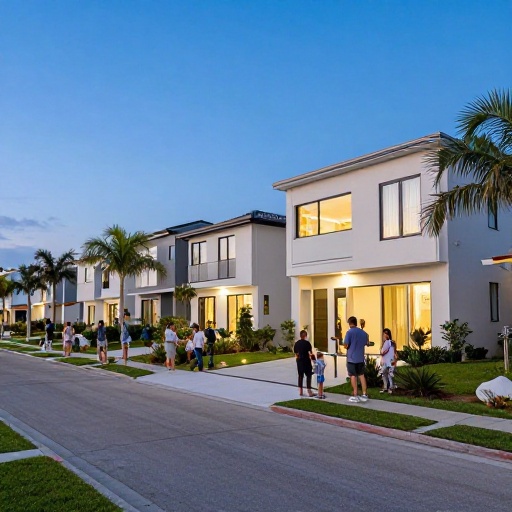
Significant commercial expansion is underway in Southwest Florida, marking a pivotal shift for the region known as the Unbuilt Triangle. The creation of this entirely new inland population center, estimated at 500,000 residents, has attracted major national retailers seeking to serve the growing demographic. According to recent reports, the area previously inhabited by roaming Florida panthers is now undergoing rapid transformation driven by residential and commercial development.
Major Retailers Enter Inland Market
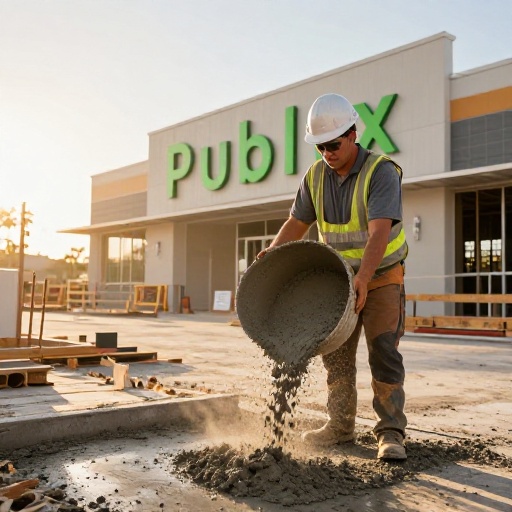
The influx of corporate investment signals confidence in the long-term viability of the Unbuilt Triangle as a primary living zone. Publix, one of the largest supermarket chains in the Southeastern United States, is among the first major grocery providers to establish a presence in this developing corridor. The arrival of Publix typically indicates that an area has reached a critical mass of residential housing and daily commuter traffic.
Alongside the grocer, Home Depot is also expanding its footprint into the region. As a leading home improvement retailer, Home Depot’s entry suggests robust activity in new construction projects and existing property renovations within the inland zones. This aligns with broader trends in Florida where infrastructure development often precedes or accompanies major retail placement to support both contractors and homeowners.
Aldi Joins Growing Commercial Corridor
Discount retailer Aldi is also joining the mix of new establishments in the Unbuilt Triangle. The presence of multiple national chains suggests a coordinated effort by developers to create comprehensive community hubs rather than isolated shopping centers. This clustering of essential services—groceries, home improvement, and discount retail—is designed to support the daily needs of the estimated 500,000 residents now populating these inland areas, a story we covered in Florida Leads US New Home Market As Out.
The transformation of this region represents a significant change from its historical ecological profile. Once characterized by open lands suitable for wildlife such as the Florida panther, the area is increasingly defined by suburban sprawl and commercial infrastructure. This shift highlights the ongoing tension between conservation efforts and rapid demographic growth in Southwest Florida.
Implications for Local Infrastructure
The addition of these major retailers will likely necessitate further upgrades to local roadways, utilities, and emergency services to accommodate increased traffic volume. As the Unbuilt Triangle solidifies its status as a distinct population center within Florida’s political and economic landscape, local government officials in Tallahassee may face increasing pressure to address zoning laws and resource allocation for this newly defined inland region.