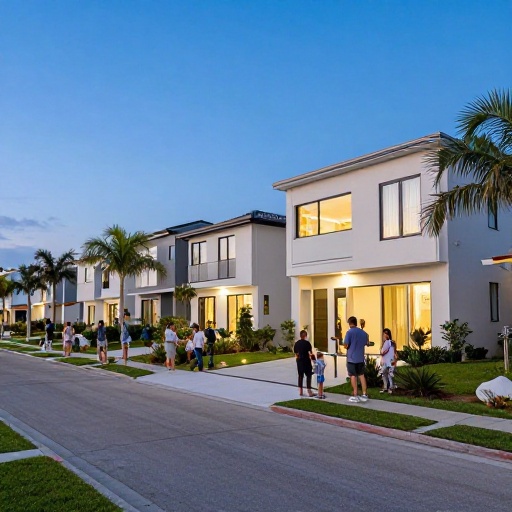
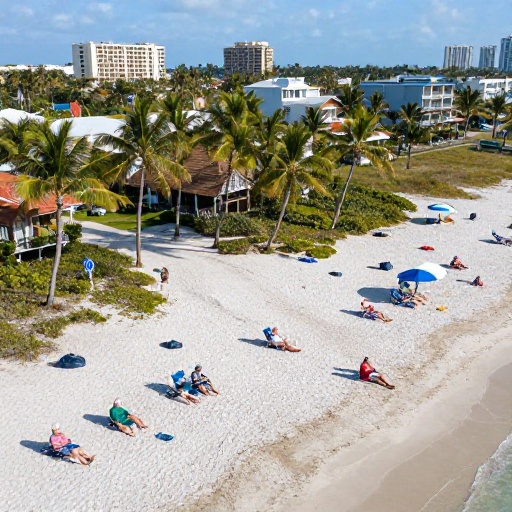
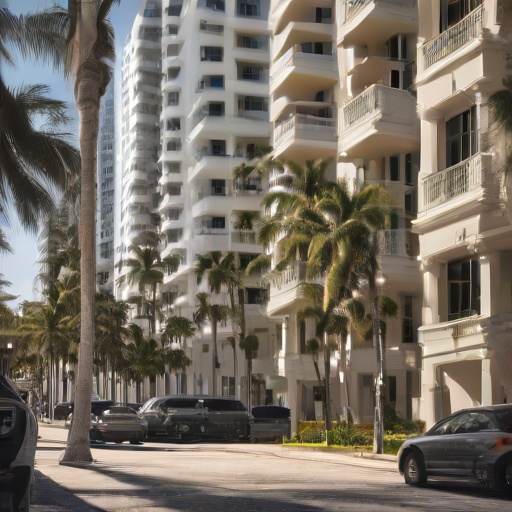
 Imagen generada con IA para Economy
8 South Florida Cities Ranked Among State's Worst Real Estate Markets
New WalletHub report highlights affordability challenges and market shifts impacting major metropolitan areas across the region.
Eight cities in South Florida have been identified as having some of the weakest real estate markets in the state, according to a new study released by WalletHub. The analysis evaluates various economic indicators to determine which municipalities are facing significant challenges within the current housing landscape. This ranking places several key urban centers in the region at the lower end of performance metrics compared to other areas across Florida.
Assessing Market Performance
The report utilizes a comprehensive framework to assess real estate health, looking beyond simple sales volume to include factors such as affordability and market stability. By focusing on these specific data points, WalletHub aims to provide consumers and industry professionals with a clearer picture of where housing costs are becoming increasingly prohibitive for residents. The inclusion of multiple South Florida municipalities in the "worst" category suggests that broader economic pressures are affecting this densely populated region, as we reported in Six Florida Counties Rank Top 10 Nationally for Hurricane Vulnerability.
Implications for Local Buyers
For potential homebuyers and renters, these findings highlight a difficult environment characterized by high costs relative to income levels. When cities rank poorly on affordability indices, it often indicates that housing expenses consume a disproportionate share of household budgets. This trend can limit mobility for workers and place additional strain on local families who are already navigating the cost-of-living increases common in major metropolitan areas, a story we covered in Six Florida Counties Rank Top 10 Nationally for Hurricane Vulnerability.
Regional Economic Context
The identification of these cities underscores ongoing shifts in Florida's real estate sector. While some parts of the state may experience growth or stability, South Florida continues to grapple with market conditions that deter easy entry for new buyers. The report serves as a snapshot of current economic realities, reflecting how national trends and local supply issues intersect to impact housing accessibility.