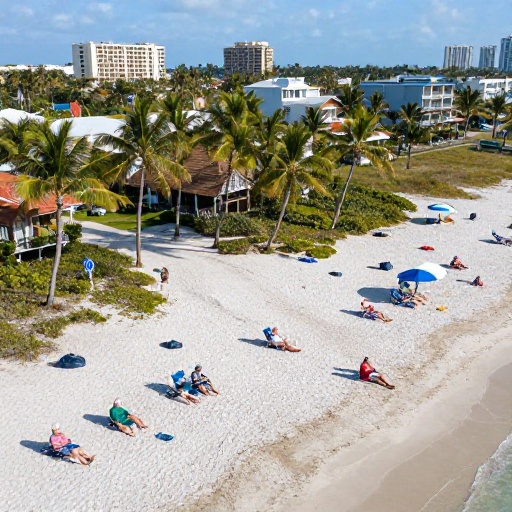
Florida has once again solidified its reputation as a premier destination for Americans seeking retirement, with three of its major metropolitan areas claiming the top three spots in recent national rankings. According to data released by WalletHub and highlighted in coverage by USA Today on MSN, Orlando, Miami, and Tampa were identified as the leading cities for retirees in 2026.
The report evaluates numerous factors that contribute to quality of life for older adults, with financial incentives playing a decisive role. The primary driver behind Florida's dominance is its tax structure. Unlike many other states, Florida does not impose an individual income tax on residents. This policy extends to Social Security benefits, pensions, and most retirement account withdrawals, creating a significant fiscal advantage for those transitioning out of the workforce.
The Financial Appeal of No State Income Tax
For many retirees, the ability to keep more of their earned savings is paramount. Florida’s lack of state income tax means that seniors can stretch their fixed incomes further than they might in states with higher taxation rates. This financial relief is compounded by other cost-of-living factors that vary across different regions but generally remain competitive compared to national averages.
While housing costs have risen significantly across the Sun Belt, Florida’s overall tax burden remains one of the lowest in the nation. WalletHub’s methodology weighs economic health heavily, recognizing that lower taxes directly correlate with increased disposable income for retirees managing healthcare and daily living expenses. This fiscal environment has attracted a steady influx of older Americans seeking to preserve their wealth while maintaining a comfortable standard of living.
Orlando: A Balanced Mix of Culture and Affordability
Taking the top spot in this particular ranking is Orlando, Florida. While often associated with family tourism due to its theme parks, Orlando offers a robust infrastructure for retirees that extends beyond entertainment. The city provides access to high-quality healthcare systems, including major medical centers affiliated with leading universities.
Orlando’s appeal lies in its diversity of housing options and cultural amenities. Retirees can find communities ranging from active adult neighborhoods to urban apartments near downtown attractions. The city also boasts a growing arts scene and numerous recreational facilities that cater specifically to older adults, including golf courses, boating lakes, and senior centers offering social programming.
The affordability of living in Orlando, when compared to other major metropolitan areas on the East Coast, makes it an attractive option for those looking to downsize or relocate. The combination of warm weather year-round and a vibrant community structure supports both physical activity and social engagement, which are critical components of successful aging.
Miami and Tampa: Coastal Living and Urban Convenience
Following Orlando in the rankings is Miami, renowned for its tropical climate and extensive network of beaches. For retirees who prioritize outdoor activities and a cosmopolitan lifestyle, Miami offers unparalleled access to cultural events, dining, and waterfront recreation. The city’s international flavor provides a unique social environment that many find engaging, as we reported in 8 South Florida Cities Ranked Among State's Worst Real Estate Markets.
However, the ranking also highlights Tampa as another top contender for retirees. Located on the Gulf Coast, Tampa offers slightly milder winters than Orlando and easy access to barrier islands like St. Petersburg and Clearwater. These areas provide quieter, more relaxed environments while still being close to urban amenities such as museums, professional sports teams, and specialized medical care.
The proximity of these cities allows retirees to choose between the energetic pace of Miami or the laid-back charm of Tampa’s Gulf Coast communities. Both regions benefit from Florida’s tax advantages and offer extensive networks for social interaction through clubs, religious organizations, and volunteer groups tailored to senior citizens.
Broader Implications for State Policy
The concentration of top-ranked cities in a single state raises questions about resource allocation and infrastructure planning. As more retirees move into Florida, local governments face increased demand for healthcare services, transportation systems, and public safety resources. City officials must balance the economic benefits of an influx of new residents with the need to maintain high-quality public services.
Furthermore, the real estate market in these top-ranked cities has seen significant shifts due to this demographic trend. Housing prices have appreciated rapidly as demand outpaces supply. While this creates wealth for existing homeowners, it poses challenges for those looking to enter the market with fixed incomes. Local policymakers are increasingly focused on housing affordability initiatives to ensure that retirement communities remain accessible.
As Florida continues to attract a large portion of the nation’s retiring population, its status as a leading destination is likely to persist. The combination of favorable tax laws, diverse lifestyle options, and established healthcare infrastructure creates a compelling package for seniors across the country. For now, Orlando, Miami, and Tampa stand at the forefront of this national migration trend.