Florida Faces Sticker Shock as ACA Premiums Rise in 2027 Amidst Policy Uncertainty
With millions enrolled, Floridians brace for higher healthcare costs while lawmakers debate the future of subsidies and market stability.
TALLAHASSEE — Florida is bracing for a significant financial impact as Affordable Care Act (ACA) premiums are projected to rise sharply in 2027. With approximately four million residents enrolled in marketplace plans, the state holds the largest share of Obamacare enrollees nationwide. This demographic reality places Floridians at the center of a growing national debate regarding healthcare affordability and federal subsidy structures.
The potential for "sticker shock" is not merely theoretical; it is rooted in actuarial data from major insurers operating within the state’s diverse markets. As the 2027 open enrollment period approaches, families across Miami-Dade to the Panhandle are preparing for a landscape defined by higher out-of-pocket costs and reduced provider networks.
Market Volatility Drives Premium Increases
The primary driver of these projected cost increases is market volatility exacerbated by uncertainty surrounding federal funding. Insurers in Florida, including major providers like UnitedHealthcare and Aetna, have cited rising medical inflation and a shrinking risk pool as key factors influencing their 2027 rate filings.
According to recent analyses from the Kaiser Family Foundation, states with high concentrations of subsidized enrollees are particularly vulnerable to premium spikes. In Florida, where a significant portion of the population relies on income-based subsidies to afford coverage, even modest percentage increases can translate into substantial dollar amounts for households living near the poverty line.
Dr. Elena Rodriguez, a health policy analyst at the University of Miami, notes that the interplay between federal tax credits and baseline premium growth creates a complex equation for consumers. "When base premiums rise faster than inflation-adjusted subsidies, the gap widens," Rodriguez explained. "For many Floridians, this means choosing between essential care and other basic necessities, as noted by Orlando Ledger."
Tallahassee’s Political Landscape Complicates Reform
State leadership in Tallahassee remains divided on how to mitigate these rising costs. Governor Ron DeSantis has previously advocated for expanding health savings accounts and promoting price transparency measures, arguing that market competition is the best remedy for high premiums.
However, critics argue that without robust federal subsidies, state-level reforms may have limited impact. The Florida House of Representatives has seen varying degrees of support for local insurance exchanges or co-insurance programs designed to lower costs for residents who do not qualify for full federal aid but still struggle with marketplace rates.
Legislative efforts to stabilize the individual market often clash with fiscal conservatism priorities. Lawmakers are wary of expanding state-funded subsidies without clear long-term revenue sources, leaving many Floridians dependent on the stability of federal policies that remain in flux following recent elections and administrative changes, according to Orlando Ledger.
The Human Cost of Policy Shifts
For everyday residents, these macroeconomic trends translate into tangible hardships. In rural counties like Gadsden or Okaloosa, where employer-sponsored insurance is less prevalent, the individual market serves as a critical safety net. A 15% to 20% increase in premiums, as projected by some actuarial models for 2027, could push thousands of families below their ability-to-pay threshold, a story we covered in Florida Faces $1 Billion Federal Fine Over SNAP Error Rates.
Community health centers across the state are already reporting increased demand for sliding-scale services. These facilities often serve as a buffer against market volatility but face their own resource constraints. The Florida Hospital Association has warned that without intervention, many small rural hospitals may further reduce emergency room capacity or close entirely due to uncompensated care burdens.
"We are seeing families delay necessary treatments because the cost of coverage itself becomes a barrier," said Maria Gonzalez, director of community outreach for a Tampa-based nonprofit. "The promise of affordable healthcare is losing its meaning if the premiums themselves become unaffordable."
Navigating the 2027 Enrollment Period
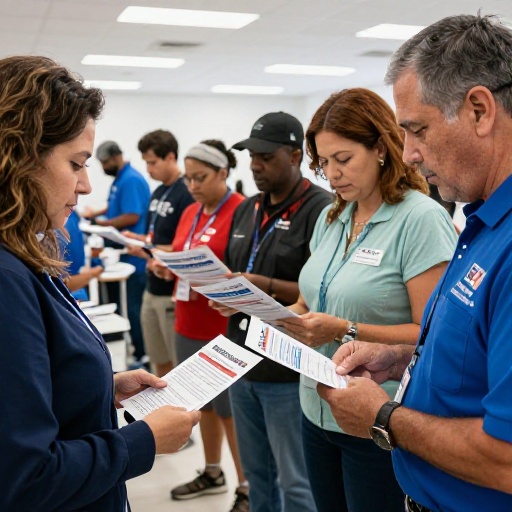
As Floridians prepare for the 2027 open enrollment window, experts recommend proactive engagement with insurance brokers and community navigators. The federal government has extended certain subsidy enhancements temporarily, but their permanence remains uncertain.
Policymakers in Washington are expected to review these trends closely as they consider broader healthcare reforms. For now, Floridians must navigate a system where political rhetoric often outpaces practical solutions. With four million lives at stake, the pressure on state and federal leaders to provide clarity and stability is mounting.
As the 2027 horizon draws nearer, the coming months will likely see intensified advocacy from both industry groups and consumer advocates. The outcome of this struggle will define not just healthcare costs, but the broader economic resilience of Florida’s working families for years to come.