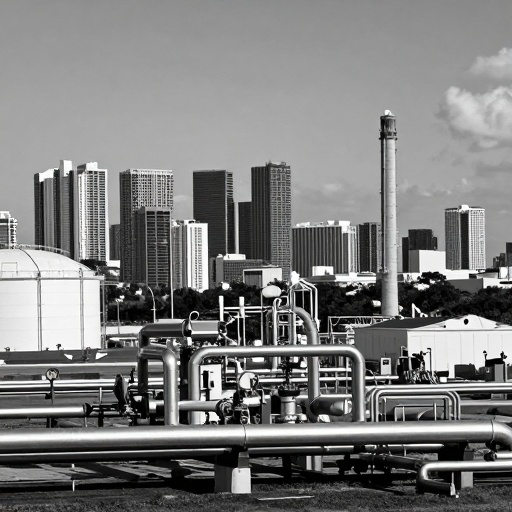
Global oil prices have surged past the $100 per barrel threshold, creating a complex political dilemma for President Donald Trump just weeks before the critical midpoint of his administration. The spike in energy costs arrives at an awkward moment, threatening to dampen consumer sentiment right as voters begin paying closer attention to economic indicators ahead of the 2026 midterm elections.
The Timing Problem
A problem created in weeks is answered by a solution that can take months. This temporal misalignment poses a significant risk for any administration focused on re-election narratives. While policymakers may announce strategies to stabilize markets, the physical reality of higher gas prices at the pump affects households immediately.
Florida residents are particularly sensitive to energy costs due to high vehicle dependency and tourism-driven logistics. The state’s economy relies heavily on transportation networks that move goods from ports in Miami-Dade to distribution centers across the Panhandle. When fuel costs rise, those expenses ripple through supply chains quickly.
Economic Impact on Florida
The surge in oil prices impacts multiple sectors within the Sunshine State. Tourism, a cornerstone of Florida’s economy, faces increased operational costs for airlines and rental car fleets. Higher energy bills also strain household budgets, potentially reducing discretionary spending in retail and hospitality industries.
Real estate markets may see subtle shifts as construction costs rise with energy-intensive materials like steel and concrete. Developers monitor these trends closely, knowing that inflationary pressures can delay projects or increase final home prices for buyers already facing high mortgage rates, more context in Trump's Grocery Photo Op Haunts Republicans Ahead of Midterms.
Political Ramifications
The White House faces pressure to respond swiftly to the oil crisis. However, structural changes in energy policy often require legislative approval and international diplomacy, processes that do not yield immediate results. This gap between action and effect leaves room for political criticism from opponents.
Midterm elections historically serve as a referendum on the sitting president’s performance. Economic indicators, particularly gas prices, are among the most visible metrics voters use to judge success or failure. A sustained period of high costs can erode support even in traditionally friendly districts, as we reported in Trump's Grocery Photo Op Haunts Republicans Ahead of Midterms.
The disconnect between long-term policy goals and short-term economic pain creates a vulnerable window for political opposition. Voters feel the price at the pump before they understand the strategic reasoning behind market fluctuations.
Strategic Responses
Administration officials are likely to emphasize potential future gains from energy independence initiatives. They may highlight increased domestic production or diplomatic agreements aimed at stabilizing global supply chains. These narratives aim to shift voter focus toward long-term benefits rather than immediate inconveniences, as reported by France24.
However, such messaging requires time to gain traction. In the interim, campaign strategies must address current grievances directly. This might involve targeted subsidies for vulnerable populations or public relations campaigns highlighting relief efforts in specific communities.
National Context
The oil price surge is not isolated to Florida but reflects broader global trends involving geopolitical tensions and supply constraints. National media coverage will likely amplify these issues, connecting local gas prices to international events. This national framing can either bolster support for strong leadership or highlight perceived weaknesses in crisis management.
Florida’s role as a swing state means that any shift in voter sentiment here could influence the broader political landscape. The state’s diverse electorate includes both rural communities concerned with agricultural costs and urban centers focused on public transit alternatives.