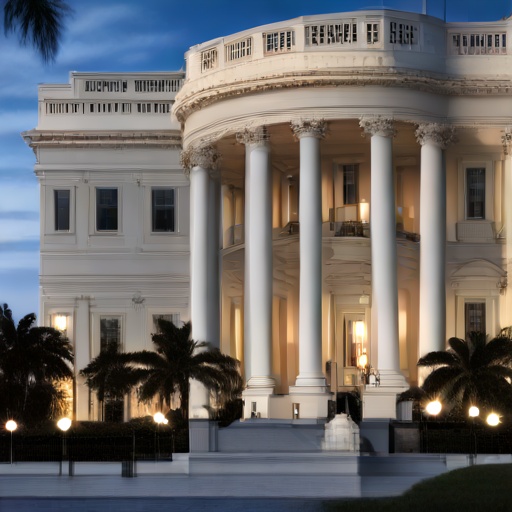
Washington — The White House is confronting a significant political hurdle as the potential end of war coincides with persistent economic pressures, specifically rising gas prices and elevated costs for consumer goods. According to reporting by Tony Romm from Washington, these financial burdens are expected to remain high for several months, complicating the administration's narrative ahead of critical midterm elections.
Economic Realities vs. Political Promises
The core challenge facing the Trump administration involves balancing its promise of a quick economic rebound with the tangible reality faced by American households. While political campaigns often hinge on promises of rapid recovery and prosperity, current market conditions suggest that inflationary pressures are not dissipating quickly. The persistence of high gas prices directly impacts household budgets, serving as a visible indicator of broader economic instability for voters.
This disconnect between campaign rhetoric and daily financial reality creates a delicate environment for the ruling party. Midterm elections in the United States historically serve as a referendum on the sitting president's performance. With consumers still grappling with expensive goods at the pump and in stores, the political capital required to defend legislative achievements may be eroding faster than anticipated, confirmed by Orlando Ledger.
Impact on Voter Sentiment
The specific mention of gas prices highlights their role as a key metric for voter satisfaction. In recent election cycles, fluctuations in fuel costs have correlated strongly with shifts in public opinion regarding the incumbent party's economic management. If these costs remain elevated through the midterm season, it could dampen enthusiasm among independent and swing voters who prioritize immediate financial relief over long-term strategic goals.
Furthermore, the broader category of "other goods" suggests that inflation is not isolated to energy sectors but permeates various supply chains. This widespread cost increase limits consumer spending power, potentially slowing down local economies across different states. The White House must now navigate a landscape where economic recovery feels abstract to many citizens while their daily expenses remain stubbornly high, more details at USA Today.
Strategic Implications for Midterms
As the political calendar moves toward midterms, the administration faces the task of mitigating these negative economic indicators. The potential end of war was previously touted as a catalyst for fiscal relief and stability. However, if gas prices do not drop in tandem with geopolitical de-escalation, critics may argue that the promised rebound is delayed or illusory, as we reported in Trump's Grocery Photo Op Haunts Republicans Ahead of Midterms.
Reporting from Washington indicates that this situation requires careful communication strategies to manage public expectations. The White House must address how it plans to alleviate these specific financial burdens while maintaining its broader economic agenda. Failure to effectively communicate progress in lowering consumer costs could result in significant political backlash, altering the balance of power in Congress and defining the remainder of Trump's term.