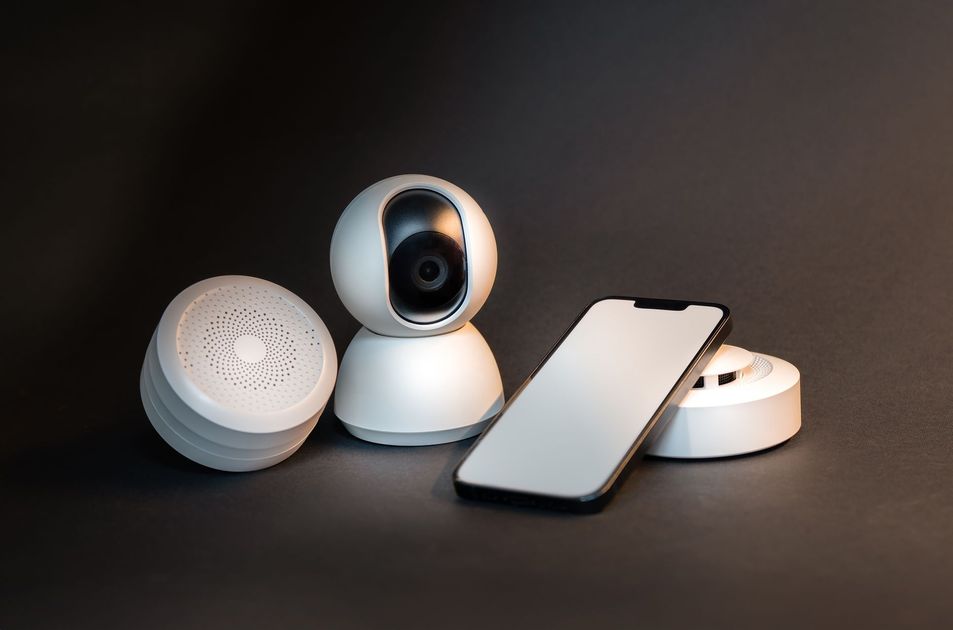
 Foto: Jakub Zerdzicki / Pexels
Expert Warns AI Worm Could Infect Florida Home Appliances Amid Rising Cybersecurity Threats
Smart Devices Face New Digital Vulnerabilities
Cybersecurity experts have issued a stark warning regarding the potential for artificial intelligence-driven worms to infiltrate everyday household appliances. Recent analysis suggests that smart refrigerators and other connected devices are increasingly susceptible to sophisticated malware attacks.
The threat emerges as federal authorities, including the Trump administration, place heightened emphasis on securing national technology infrastructure. This focus extends beyond traditional computers to include the Internet of Things (IoT), which encompasses millions of consumer electronics across Florida and the United States.
How AI Worms Target Home Networks
Unlike traditional viruses that require user interaction, an AI-powered worm can autonomously scan networks for vulnerabilities. Once inside a smart home system, these programs can replicate themselves without human intervention. This capability allows them to spread rapidly from one device to another within the same local network.
The convergence of artificial intelligence and IoT creates a unique attack surface that traditional security measures often fail to address effectively. Smart appliances are no longer just passive tools; they are active participants in your digital ecosystem, making them potential entry points for broader system compromises.
Experts note that many smart refrigerators possess computing power comparable to early personal computers but lack robust internal firewalls. This architectural gap makes them attractive targets for cybercriminals seeking to establish a foothold within a home network from which they can launch further attacks on more valuable data, such as financial information stored on laptops or smartphones.
Implications for Florida Residents and Federal Policy
The warning carries significant weight in Florida, where the adoption of smart home technology is among the highest in the nation. With a large population relying on connected devices for climate control, security monitoring, and daily convenience, the state’s residents are particularly exposed to these emerging digital risks, more context in Florida Lawmakers Weigh Security Risks as Local Hardware Industry Embraces AI Agents.
This cybersecurity concern aligns with broader political efforts by the Trump administration to strengthen American technological resilience. Federal agencies are currently reviewing protocols for critical infrastructure protection, recognizing that consumer-grade IoT devices can pose a national security risk if compromised at scale.
While no widespread attacks on Florida households have been reported yet, experts urge caution. The potential for an AI worm to disrupt essential services or steal sensitive data represents a shift in the cyber threat landscape. As technology becomes more integrated into daily life, the boundary between physical appliances and digital security continues to blur.
Residents are advised to regularly update firmware on all connected devices, use strong unique passwords, and segment their home networks where possible. These steps can mitigate some risks while federal and state agencies work to develop more comprehensive regulatory frameworks for IoT safety.