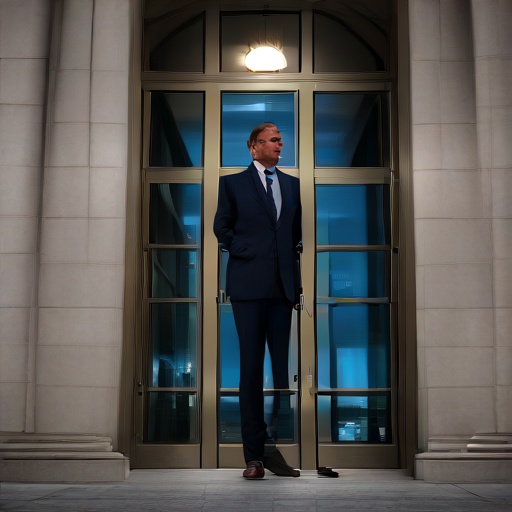
The United States Department of Justice has drawn scrutiny after hiring David Levin, a lawyer with a documented criminal record for hacking election websites. According to reports, Levin was spotted working alongside officials tasked with monitoring elections across the country. The revelation that an individual who previously served jail time for cyberattacks against electoral infrastructure is now part of the federal team responsible for overseeing election integrity has triggered immediate concern among legal experts and government watchdogs.
Background on David Levin
Detailed records indicate that David Levin was involved in significant cybersecurity breaches targeting voting systems. His past activities included unauthorized access to websites associated with electoral processes, leading to his incarceration. The specific nature of these hacks involved disrupting online platforms used for election-related information and data management. Despite this history, the Justice Department proceeded with hiring him into a role that requires high-level security clearance and trust in handling sensitive federal data.
Implications for Election Oversight
The appointment raises critical questions about the vetting processes within the Justice Department’s personnel selection framework. Officials responsible for monitoring elections must maintain strict adherence to security protocols to prevent tampering or misinformation. Having an individual with a history of targeting election infrastructure in such a position creates potential conflicts and vulnerabilities. Legal analysts note that this move could undermine public confidence in the fairness and security of future electoral processes, particularly as Florida prepares for upcoming statewide contests.
Reactions from Federal Officials
The presence of Levin alongside DOJ attorneys has been described by some observers as alarming given his past convictions. While specific internal memos regarding this hiring decision have not been fully disclosed to the public, the visibility of his role suggests a significant shift in personnel strategy. Critics argue that such appointments contradict the department’s stated goals of protecting electoral integrity from cyber threats. The situation highlights ongoing tensions between national security interests and transparency in federal employment practices.