Trump And GOP Allies Mobilize Election Monitors To Watch Polls This November
President Trump coordinates expanded network of party and federal observers to oversee voting procedures across key swing states during the upcoming general election.
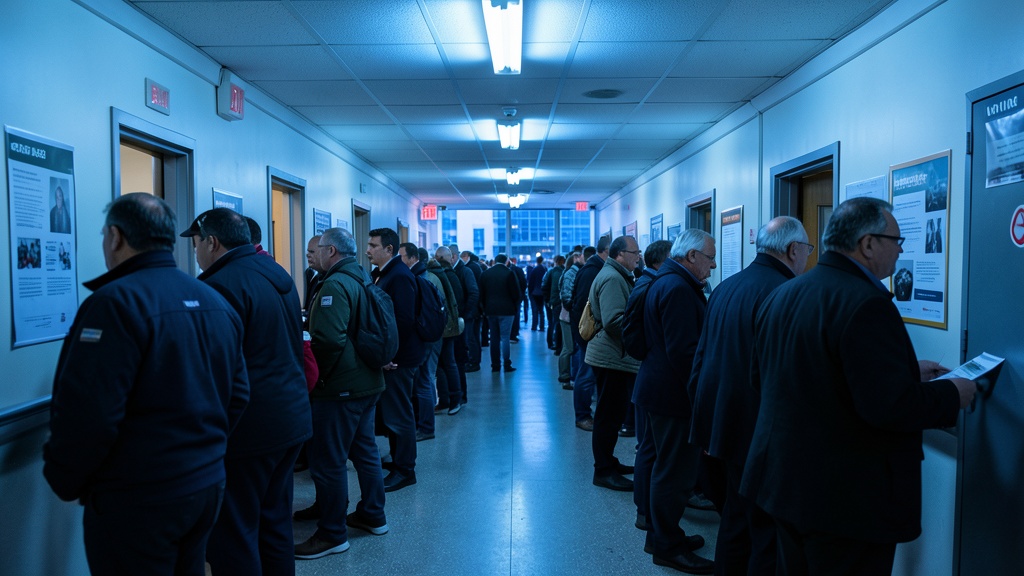
President Donald Trump and his allies within and outside his administration are mobilizing an expanding network of poll watchers to monitor polling places on Election Day this November. The initiative aims to blanket numerous precincts with both party-affiliated observers and federal election monitors, signaling a heightened focus on voting procedures in critical swing states.
Strategic Expansion Of Observer Networks
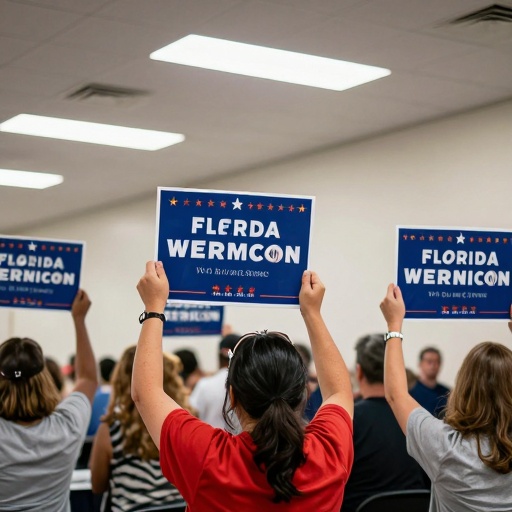
The mobilization effort represents one of the most extensive deployments of poll watchers in recent political history. Sources indicate that the Republican National Committee (RNC) is coordinating with state-level party organizations to recruit, train, and deploy thousands of volunteers to polling locations across Florida and other battleground regions.
Unlike previous cycles where observer numbers were limited by local regulations or logistical constraints, this year’s effort emphasizes comprehensive coverage. The strategy involves placing multiple monitors per precinct in areas historically prone to voting disputes or legal challenges. This approach is designed to create a robust record of polling place activities from the moment voters arrive at the polls until ballots are sealed.
Republican officials argue that such oversight is essential for maintaining public confidence in election integrity. They contend that visible, professional monitoring can deter irregularities and provide immediate documentation should any procedural issues arise during vote counting or transmission processes.
Federal Versus Party Affiliated Monitors
A distinct feature of this year’s mobilization is the dual track of observer deployment. While traditional party poll watchers operate under state laws that vary significantly by jurisdiction, a parallel effort involves federal election monitors who may be deployed through administrative channels or legal frameworks established to oversee compliance with federal voting rights statutes.
Legal experts note that the role and authority of these two types of observers differ substantially. Party-affiliated poll watchers typically have limited access to ballot boxes or voter registration records, often restricted to observing general conduct without interfering in operations. Federal monitors, depending on their specific designation, may possess broader investigative powers under certain federal laws, though their presence remains subject to state-level election codes.
The coordination between these groups has raised questions among Democratic officials and voting rights advocates about potential voter intimidation or the creation of barriers for eligible voters. Civil liberties organizations have expressed concern that an overwhelming number of observers could confuse first-time voters or delay the voting process in busy precincts.
Legal And Regulatory Challenges
The push for extensive poll watching is unfolding against a backdrop of evolving state election laws and ongoing litigation. Several states, including Florida, have tightened regulations regarding who can serve as a poll watcher and what activities are permitted on polling place premises, more context in Ex-Trump Lawyer Warns of Election Interference Plans by Candidate.
Election administrators in various counties have issued guidelines clarifying the rights and responsibilities of observers. These directives often emphasize that while monitoring is protected speech or political activity, it must not disrupt voting operations or harass voters. Violations can result in removal from the polls by law enforcement or election officials.
Despite these regulations, tensions are anticipated on Election Day itself. Historical precedents suggest that disputes over observer conduct often arise during high-stakes elections where margins are narrow and every vote is scrutinized. Legal teams for both parties are likely to be on standby in key jurisdictions to address any challenges regarding the admissibility of evidence gathered by observers.
Implications For Election Integrity And Public Trust
The strategic deployment of poll watchers reflects a broader political calculation by Republican leaders. By visibly emphasizing oversight, they aim to reinforce their narrative regarding election security while simultaneously creating a detailed record that could support future legal challenges if results are contested.
For voters in Florida and other swing states, the presence of numerous observers may alter the atmosphere at polling places. Election officials have urged calm cooperation, reminding both parties that the primary goal is to ensure smooth voting operations while respecting the rights of all participants.
As November approaches, the effectiveness of this mobilization will depend on its execution and reception by voters and election administrators alike. The outcome may influence not only the immediate conduct of Election Day but also long-standing debates over transparency and security in American electoral processes.