 Imagen generada con IA para Politics
Trump DHS Targets Election Officials Over Unverified Voting Claims
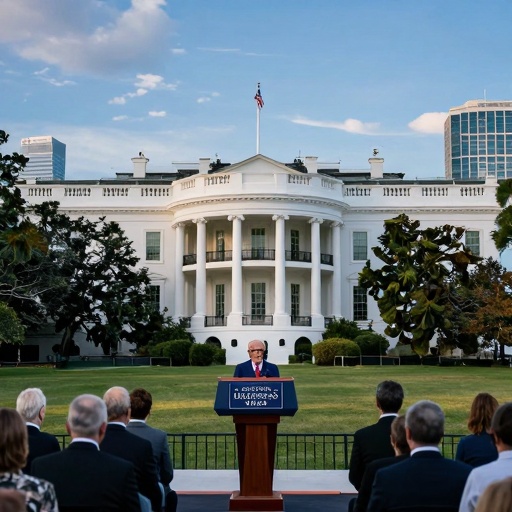
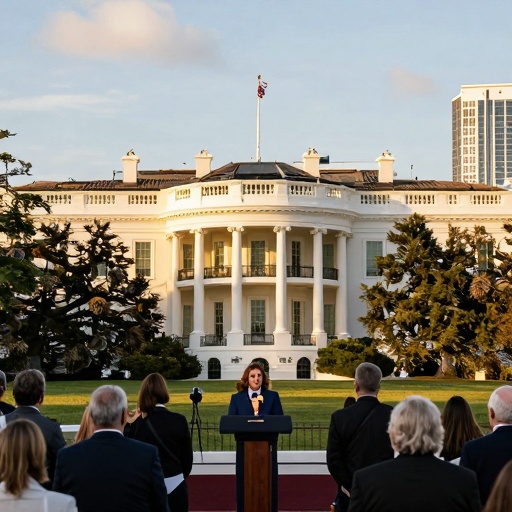
The Trump administration is escalating its attacks on election officials in key battleground states, with Homeland Security Secretary Markwayne Mullin doubling down Friday on claims that hundreds of individuals voted illegally. The Department of Homeland Security (DHS) has intensified its public scrutiny of state-level electoral processes, relying heavily on figures that have not been independently verified by judicial or administrative bodies. This move marks a significant shift in the federal government's approach to overseeing and commenting on local election administration.
Unverified Data Drives Federal Rhetoric
Mullin’s recent statements rely on data sources that lack widespread corroboration from independent auditors or state election boards. The claims suggest a coordinated effort by the federal government to challenge the legitimacy of specific electoral outcomes in states critical to national politics. By focusing on allegations of non-citizen voting, the administration is attempting to frame ongoing debates about voter eligibility as matters of national security rather than purely administrative concerns.
State election officials have expressed concern over these assertions, noting that such claims often lack evidentiary support in court proceedings. The reliance on unverified figures raises questions about the basis for federal intervention or public commentary on state-run elections. Critics argue that using disputed statistics to attack local officials undermines trust in democratic institutions and creates unnecessary political friction between Washington and state capitals.
Impact on Battleground States
The focus remains squarely on battleground states where electoral margins are typically narrow. In these regions, any suggestion of widespread irregularity can have profound implications for public confidence in the voting process. The DHS’s stance appears designed to pressure state officials into adopting stricter verification measures or to delegitimize outcomes that do not align with federal political interests, as we reported in Homeland Security Warns States on Election Compliance Ahead of Midterms.
Legal experts and election administrators warn that baseless accusations can lead to increased litigation and administrative burdens on already strained resources. As the administration continues to push these narratives, local authorities are left navigating a complex landscape of federal scrutiny without clear guidance or verified data to support their defenses. The situation highlights the growing tension between federal oversight claims and state autonomy in managing elections.