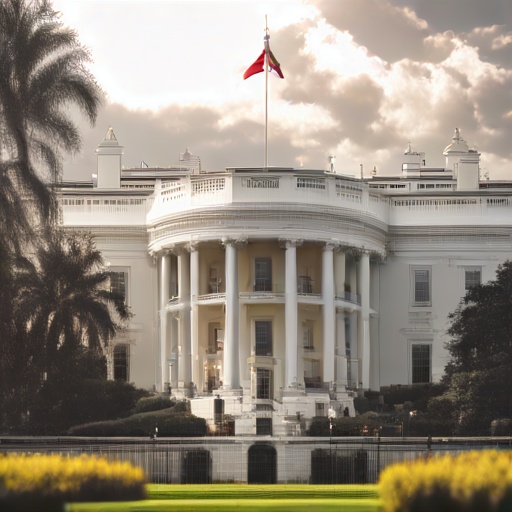
Even before President Donald Trump launched his most recent wave of unfounded claims alleging election fraud in California, a significant portion of the state's electorate expressed profound concern about federal meddling. A new poll conducted by the Los Angeles Times indicates that these fears are not merely reactive to current political posturing but represent a long-standing anxiety within the Golden State.
The survey highlights a critical divide in how voters perceive the integrity of their local democratic processes versus potential external threats from Washington, D.C. This sentiment has been building for years, fueled by national rhetoric and specific incidents where federal oversight became entangled with state-level election administration.
Deep-Seated Anxiety Precedes Recent Rhetoric
Data collected prior to the most recent allegations shows that roughly 60 percent of California voters worry about outside interference in their elections. This figure remains remarkably stable even after years of intense national debate regarding voting access and election security protocols.
The poll suggests that many Californians view federal intervention not as a protective measure, but as a potential vector for instability or manipulation. Officials in Sacramento have long warned against the politicization of election infrastructure, arguing that state laws are already robust enough to ensure fair outcomes without additional layers of oversight from distant agencies.
"The fear is less about the mechanics of voting and more about the narrative surrounding who controls those mechanics," said one senior analyst tracking voter sentiment in the region. "When federal actors step into local processes, it triggers alarms for a populace that values state autonomy."
This pre-existing anxiety creates a volatile environment where new accusations can quickly escalate public distrust. The timing of these revelations is significant because they demonstrate that the foundation of skepticism was already laid before current political leaders added fuel to the fire.
State Autonomy and Legal Frameworks
California has historically maintained strict separation between state election officials and federal authorities regarding ballot administration. The California Secretary of State's office consistently emphasizes that their systems are designed with rigorous cybersecurity measures and transparent auditing procedures.
Legal experts note that while the Constitution grants Congress power to regulate elections, states retain primary authority over the execution of those laws. This legal framework often clashes with federal initiatives aimed at standardizing voting practices across different jurisdictions, leading to friction in places like Florida and California alike.
In Tallahassee, similar debates have played out regarding state versus federal control, though the political dynamics differ significantly between a Republican-led governor's office and Democratic-controlled agencies. The tension often centers on whether federal standards are necessary safeguards or unnecessary intrusions that undermine local trust, as reported by El Universo.
California voters appear to side strongly with maintaining their current independent systems. Polling data indicates that a majority believe state officials are more capable of managing election security than any new federal apparatus proposed by national figures. This preference for local control is a defining characteristic of the state's political culture.
Implications for Future Political Cycles
The persistence of these fears has major implications for upcoming elections, both in California and potentially nationwide as voters elsewhere begin to scrutinize federal involvement more closely. If candidates continue to leverage narratives about election integrity without concrete evidence, they risk further eroding public confidence rather than restoring it.
Political strategists warn that dismissing legitimate concerns about security while simultaneously making baseless accusations creates a paradox where no amount of reassurance seems sufficient to the skeptical voter. This dynamic complicates efforts by state officials who are trying to assure the public that their ballots will be counted accurately and fairly.
Tourism, economy, and other sectors often rely on social stability, which can be threatened when the fundamental trust in democratic institutions is shaken. While Florida faces its own unique challenges with hurricane season preparation and real estate markets reacting to insurance costs, California's political landscape remains a bellwether for national trends regarding election confidence.
As the nation moves closer to future ballot measures and federal elections, the data from Los Angeles suggests that addressing these fears requires more than just rebutting false claims. It demands a concerted effort by officials at all levels of government to demonstrate transparency and reinforce the resilience of their electoral systems against both real threats and manufactured controversies.