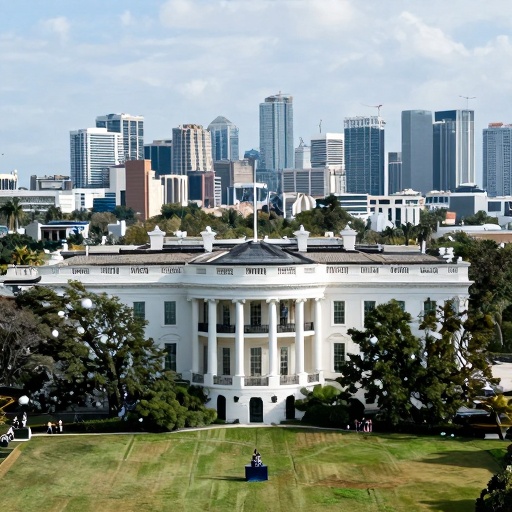
 Imagen generada con IA para Politics
Trump Claims Election Security Flaws Ahead of Midterms
President Donald Trump has publicly alleged the existence of "shocking vulnerabilities" within United States election security systems, raising concerns ahead of the upcoming midterm elections. In statements released recently, the president accused China of meddling in the results of the 2020 presidential election. These assertions directly contradict previous findings issued by United States intelligence agencies regarding the integrity and security of past electoral processes.
Allegations Contradict Intelligence Findings
The President's claims represent a significant departure from established assessments provided by federal intelligence communities in recent years. While specific details surrounding the alleged vulnerabilities were not fully elaborated upon in initial reports, the accusation of foreign interference targets China specifically regarding the 2020 cycle. This narrative stands in direct opposition to prior official conclusions that did not identify such widespread security failures or successful meddling efforts during that election period.
Intelligence agencies have previously conducted extensive reviews of election infrastructure and foreign influence operations. The current administration's stance introduces a new layer of controversy regarding the robustness of American voting systems. By citing "shocking vulnerabilities," Trump suggests systemic weaknesses that may not have been fully addressed or acknowledged in earlier intelligence reports.
Implications for Upcoming Midterms
The timing of these allegations is critical, occurring just months before the midterm elections. The focus on election security and potential foreign interference aims to shape public discourse regarding ballot integrity. As states prepare their voting infrastructure, these claims may influence how officials approach cybersecurity measures and voter confidence initiatives, as this newspaper reported in Trump Claims US Elections Are Worse Than Third.
Political analysts note that accusations of foreign meddling often serve as a focal point for broader debates on national sovereignty and electoral trust. The contradiction with past intelligence findings adds complexity to the narrative, requiring voters to reconcile conflicting information about election security. As the campaign season progresses, these statements are likely to be scrutinized by both political opponents and independent observers.
The response from Democratic officials and cybersecurity experts remains a developing story. Typically, such allegations prompt calls for bipartisan oversight or additional funding for election protection programs. However, without specific evidence provided in the initial claims, the focus remains on the rhetorical clash between the President's assertions and previous intelligence community assessments.