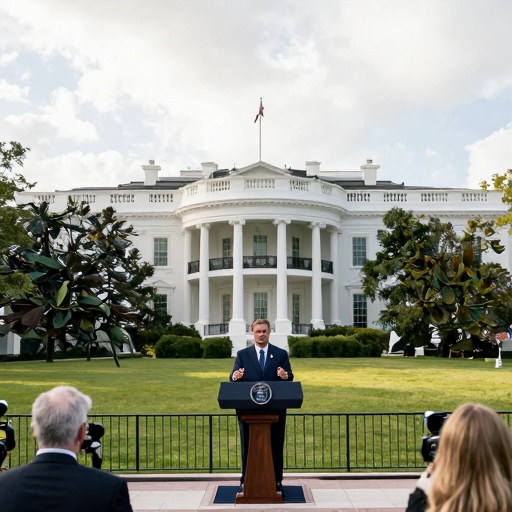
 Imagen generada con IA para Politics
Trump Claims US Elections Are Worse Than Third-World Nations
President makes sweeping assertions during primetime address regarding election integrity and foreign interference.
During a recent primetime address, President Donald Trump made sweeping assertions regarding the state of American democracy, claiming that United States elections are "worse than a third-world country." The remarks were part of a broader narrative presented during the broadcast, which focused heavily on allegations of foreign interference and systemic vulnerabilities within the nation's electoral processes. This specific characterization marks one of the most stark comparisons made by a sitting president regarding domestic election integrity in recent political history.
Allegations Regarding 2020 Interference
A central component of the President’s argument involved claims that China meddled in the 2020 presidential contest. The administration has previously cited various intelligence reports and diplomatic tensions as evidence for these assertions, though specific details regarding the nature or extent of this alleged interference were not fully detailed within the transcript of the speech itself. These claims align with long-standing geopolitical frictions between Washington and Beijing, particularly concerning cyber security and intellectual property protection.
The President’s rhetoric suggests a deep-seated concern over external influences on American sovereignty. By linking domestic electoral weaknesses to foreign actors like China, the administration aims to frame election reform not just as an internal policy issue but as a matter of national security. This approach has historically been used to galvanize political support among constituents who prioritize border control and cyber defense.
Contextualizing "Third-World" Comparisons
The phrase "worse than a third-world country" is a colloquialism often employed in political discourse to describe systemic failures. In the context of U.S. elections, this typically refers to concerns about voter access, ballot security, and administrative efficiency. However, election experts and international observers note that such comparisons can obscure complex statistical realities regarding voting rights and infrastructure across different global regions.
While the President did not provide a comprehensive data set during the speech comparing U.S. metrics directly against specific developing nations, the statement serves as a rhetorical device to highlight perceived vulnerabilities. The administration’s focus on these weaknesses coincides with ongoing legislative debates in Tallahassee and Washington regarding voting laws and election oversight mechanisms, a story we covered in Trump Claims Election Security Flaws Ahead of Midterms.
Political Implications and Reactions
This primetime speech is expected to influence the current political landscape, particularly as lawmakers prepare for upcoming electoral cycles. Critics of the President’s statements argue that such broad generalizations may undermine public confidence in democratic institutions without providing actionable solutions. Conversely, supporters view these remarks as a necessary call to action for stricter election security measures.
As the nation approaches future elections, the administration’s emphasis on foreign interference and domestic weakness will likely remain a focal point of political debate. The White House has not yet released a detailed white paper outlining specific legislative remedies tied directly to these claims, leaving many policy details open for interpretation by state legislatures across Florida and other key states.