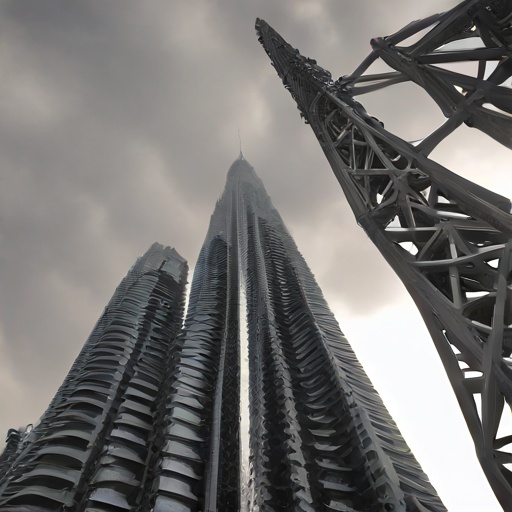
China’s record-breaking tower is nearing the final stages of its development, marking a significant milestone nearly 18 years after initial construction began. The structure, widely recognized as one of the world's tallest "empty" or vacant skyscrapers, has seen prolonged delays and periods of inactivity throughout its multi-decade timeline.
A Decades-Long Construction Project
The project, located in Guangzhou, represents a complex case study in modern high-rise development. While the physical structure itself is substantial, the building's status as an "empty" skyscraper highlights broader trends in commercial real estate and urban planning within China’s major metropolitan areas. The nearly two-decade span from groundbreaking to near-completion underscores the logistical challenges often associated with mega-projects of this scale.
Significance of the Milestone
Nearing completion after such an extended period distinguishes this tower in global architectural records. Unlike typical residential or commercial high-rises that move quickly from foundation to occupancy, this specific structure has faced unique hurdles. The achievement of reaching its final construction phases is notable not just for engineering reasons but also because it brings a long-standing symbol on the Guangzhou skyline closer to potential utility.
Contextualizing Global Skyscraper Trends
The completion of such massive structures often draws international attention due to their sheer scale and the economic narratives they represent. In China, where rapid urbanization has led to an abundance of high-rise developments, distinguishing between occupied and vacant towers remains a key metric for industry observers. This specific tower’s trajectory from early construction phases to its current near-complete state provides data points on long-term development viability in dense urban centers.