 Imagen generada con IA para Politics
Supreme Court Allows Trump Administration To Continue White House Ballroom Construction
The high court’s interim ruling permits ongoing work on the East Wing expansion while legal challenges regarding historic preservation and environmental impact proceed.
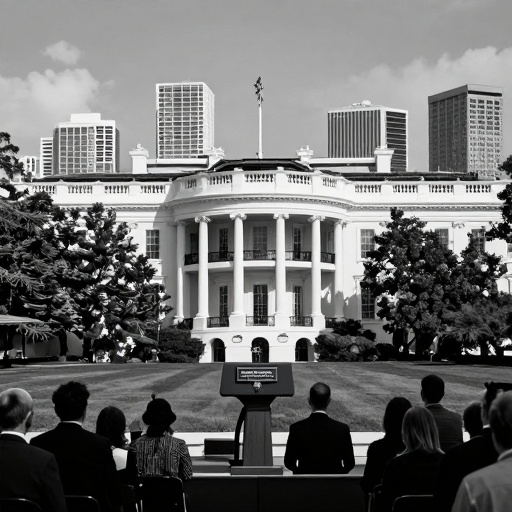
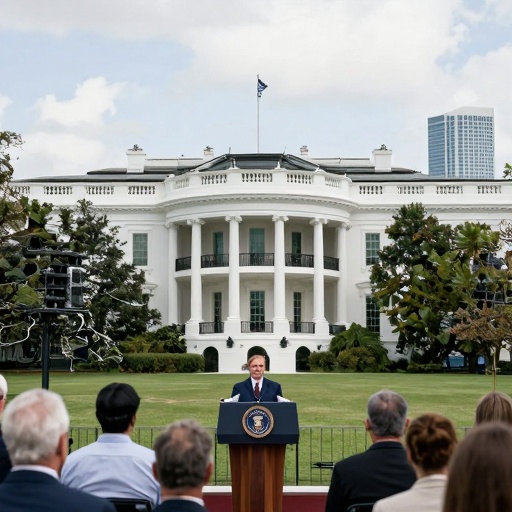
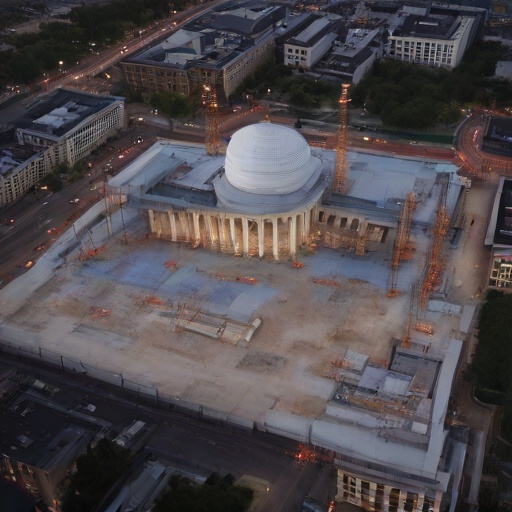
WASHINGTON — The U.S. Supreme Court issued a brief order Friday permitting the Trump administration to continue construction of the White House ballroom project, halting immediate judicial interference while broader legal battles unfold.
The ruling comes as multiple lawsuits challenge the scope and environmental impact of the expansion on the historic East Wing grounds. By allowing work to proceed "for now," the justices have effectively delayed any potential injunction that would have stopped machinery in its tracks during the appellate process.
Legal Context And Immediate Implications
The decision does not resolve the underlying merits of the cases against the project. Instead, it addresses whether construction should be paused while lower courts review arguments concerning historic preservation laws and environmental regulations.
Critics of the expansion argue that the ballroom alters the architectural integrity of one of America’s most significant landmarks. They contend that federal agencies failed to adequately assess how the structure impacts surrounding historic districts and local infrastructure.
However, the Supreme Court’s intervention suggests a willingness to let physical progress continue rather than risk irreversible changes if the administration ultimately prevails in court. This type of interim ruling often signals complex procedural considerations within the high court regarding jurisdictional disputes between federal agencies and state or local preservation boards.
Economic And Logistical Factors
Construction projects involving government properties face unique logistical hurdles. Delays can result in significant cost overruns due to inflation, labor contracts, and supply chain disruptions. The administration has emphasized the need for efficiency in delivering what it describes as a necessary modernization of White House facilities.
The ballroom is intended to serve diplomatic functions and large-scale events that current spaces cannot accommodate. Proponents argue that maintaining operational capacity at the executive mansion requires updates consistent with 21st-century security and hospitality standards, more details at Infobae.
Legal experts note that such rulings are common in high-stakes infrastructure cases where stopping work could cause greater economic harm than continuing it pending a final decision. The balance between preserving historical assets and facilitating government functionality remains a central tension in this litigation, as we reported in Trump Administration Seeks Supreme Court Approval for Mail Ballot Limits.
Ongoing Judicial Review
Lower courts remain tasked with evaluating the substantive claims brought by preservation groups and environmental advocates. These cases involve detailed reviews of federal permits, archaeological surveys, and compliance with the National Historic Preservation Act.
The Supreme Court’s order leaves these specific legal questions for future resolution. Litigants must now proceed through standard appellate channels while construction activities continue under existing authorizations.
This development underscores the complex interplay between executive authority, judicial review, and public interest in national monuments. The outcome will likely set precedents for how federal agencies manage expansions on historically protected grounds across the country.