US launches strikes against Iranian targets after drone attack violates Gulf ceasefire
President Trump condemns Tehran's breach of peace terms following unmanned vessel strike in Strait of Hormuz, escalating regional tensions.
WASHINGTON — The United States has launched military strikes against designated Iranian facilities in response to a deadly drone attack on a commercial cargo ship in the strategic Strait of Hormuz. President Donald Trump characterized the assault as a "foolish violation" of the existing ceasefire agreement between Washington and Tehran, marking a significant escalation in Gulf tensions.
The incident occurred early Tuesday when an unmanned aerial vehicle struck a freighter navigating one of the world's most critical maritime chokepoints. The attack resulted in severe damage to the vessel and raised immediate concerns among global energy markets regarding potential disruptions to oil shipments from the region.
Escalation Following Ceasefire Breach
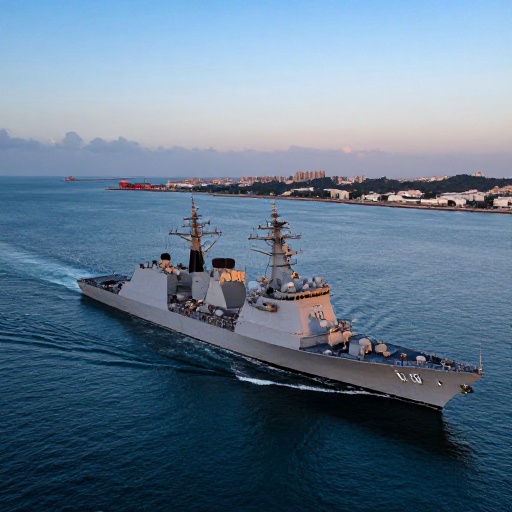
President Trump addressed the nation from the White House shortly after confirming the retaliatory strikes, which were executed by US Navy assets deployed in the Arabian Gulf. He emphasized that while the United States remains committed to de-escalation, any attack on American partners or neutral shipping lanes would be met with a swift and decisive response.
"We have been clear about our red lines," Trump stated during his address. "Iran has chosen to violate the ceasefire we secured through diplomacy. This foolish violation will not stand unanswered by the United States of America."
The President's rhetoric suggests a shift in diplomatic posture, moving from negotiation toward active enforcement of maritime security norms. Officials note that the targeted strikes were designed to degrade specific capabilities used for the drone attack without triggering an all-out war.
Impact on Global Energy and Florida Economy
The immediate aftermath of the strike has sent ripples through global energy markets, with crude oil futures spiking as traders assess the risk of broader conflict in the Strait of Hormuz. Approximately 30% of the world's liquid fuel consumption passes through this narrow waterway daily.
Florida's economy, heavily reliant on tourism and logistics sectors sensitive to gas prices, faces potential headwinds if instability persists. The Florida Department of Transportation has issued alerts regarding possible fluctuations in diesel costs that could impact freight moving through the Port of Miami and Jacksonville ports.
"Any prolonged disruption in global oil flows translates directly to higher transportation costs for our state," said a spokesperson for the Florida Office of Economic Opportunity. "We are monitoring the situation closely to protect consumers."
In Tallahassee, Governor Ron DeSantis has convened an emergency meeting with energy sector leaders and military officials to discuss contingency plans. The administration is preparing to address potential spikes in electricity generation costs if natural gas prices follow crude oil upward.
Regional Security Implications
The attack on the cargo ship represents a direct challenge to international shipping laws and US security interests in the Middle East. Intelligence reports suggest that Iranian-backed militias may have been involved, though Washington is holding Tehran directly responsible for orchestrating or permitting the strike, a story we covered in U.S. Strikes Iran as Strait of Hormuz Tensions Escalate.
Military analysts note that the Strait of Hormuz has historically been flashpoint for regional friction between Iran and Western powers. The use of advanced drone technology in this attack highlights a growing trend in asymmetric warfare tactics employed by state actors to project power without direct engagement.
The US Central Command confirmed that its forces are on high alert across the region, with additional aircraft carriers being repositioned closer to potential flashpoints. However, Pentagon officials have stressed that current operations remain limited and proportional to the initial provocation.
"Our objective is not regime change or total war," a senior defense official told reporters in Washington. "It is to restore deterrence and ensure the free flow of commerce through international waters."
Diplomatic channels remain open, with Secretary of State Marco Rubio engaging counterparts in Europe and allied nations in the Gulf Cooperation Council. The international community is urging restraint from all parties involved to prevent a spiral of violence that could engulf the entire region.