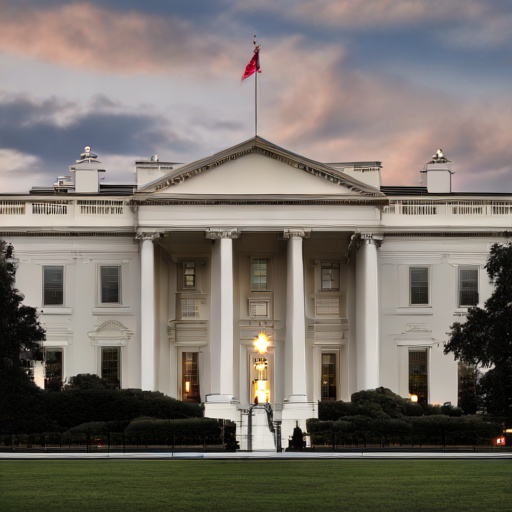
Union representatives have issued a stark warning regarding the safety of workers tasked with repainting the National World War II Memorial's reflecting pool in Washington, D.C. The rush to complete the project before President Donald Trump's upcoming 250th anniversary celebrations has raised alarms about potential workplace hazards. Officials from the International Association of Bridge, Structural, Ornamental and Reinforcing Iron Workers emphasize that safety protocols must not be compromised for political timelines.
The reflecting pool, a central feature of the memorial, requires extensive maintenance to maintain its iconic blue hue. Crews are currently working around the clock to strip old paint, apply new coatings, and ensure the water reflects the sky as intended for high-profile events. The accelerated schedule has created a high-pressure environment where mistakes could lead to serious injuries or long-term health issues for the laborers involved.
Compressed Timelines and Safety Protocols
The primary concern stems from the aggressive deadline set to have the pool fully operational and aesthetically perfect for the anniversary festivities. Union leaders argue that rushing the painting process increases the likelihood of accidents involving heavy machinery, chemical exposure, and falls from scaffolding. Standard safety procedures often require specific drying times between coats and mandatory breaks, which are being squeezed out of the schedule.
According to union statements, the pressure to finish before the President's arrival has led to shifts extending beyond standard hours. This fatigue factor is a significant contributor to workplace accidents, particularly in an environment where workers are handling volatile solvents and working at heights. The union has called for an immediate review of the work schedule to ensure compliance with Occupational Safety and Health Administration (OSHA) regulations.
"We cannot allow the political calendar to dictate the safety of our members," said a union spokesperson during a press briefing in the nation's capital. "The integrity of the memorial is important, but the lives of the workers who maintain it are paramount. Cutting corners on safety to meet a deadline is unacceptable."
Historical Context and Political Significance
The National World War II Memorial stands as one of the most visited sites in Washington, D.C., drawing millions of tourists annually. The reflecting pool serves as a focal point for ceremonies and is often featured prominently in official photographs and media coverage. The upcoming 250th anniversary celebrations are expected to draw significant attention from national and international media, raising the stakes for the visual perfection of the site.
President Trump has historically emphasized the importance of maintaining the nation's monuments to reflect the country's strength and heritage. The administration's desire to have the pool in pristine condition for the event underscores the political weight placed on the project. However, this emphasis on presentation has created a conflict between aesthetic goals and occupational safety standards.
Historically, similar rushes to prepare government sites for major events have occasionally led to scrutiny from labor groups. In previous instances, unions have successfully negotiated extensions or additional safety measures when deadlines threatened worker well-being. The current situation mirrors these past conflicts, highlighting the ongoing tension between political expediency and labor rights in the federal sector.
Broader Implications for Federal Contracting
This incident sheds light on broader issues within federal contracting and the management of public works projects. The pressure to deliver results quickly for political milestones often places undue stress on contractors and their employees. Critics argue that this pattern of rushing projects undermines the very safety standards that federal agencies are mandated to uphold.
Industry experts suggest that the solution lies in better planning and realistic scheduling from the outset. By anticipating the needs of major events and allocating sufficient time for maintenance, agencies can avoid the dangerous rush that characterizes the current situation. The union is urging the National Park Service and other relevant bodies to adopt a more sustainable approach to project management.
Furthermore, the incident highlights the need for robust oversight mechanisms to ensure that safety is never sacrificed for political gain. Independent inspections and strict adherence to OSHA guidelines are essential to protect workers in high-pressure environments. As the deadline approaches, the eyes of the nation will be on both the finished memorial and the safety of those who made it possible.
The union's warning serves as a critical reminder that the preservation of history must not come at the cost of human safety. As workers continue their race against time, the hope is that authorities will prioritize the well-being of the labor force over the aesthetic demands of a political calendar. The outcome of this situation could set a precedent for how future federal projects are managed and how worker safety is prioritized in the face of political pressure.