Two Men Indicted for Smuggling Counterfeit Ozempic Into Florida
Federal authorities charge two individuals with distributing fake weight-loss drugs, highlighting ongoing concerns over pharmaceutical supply chain security in the Sunshine State.
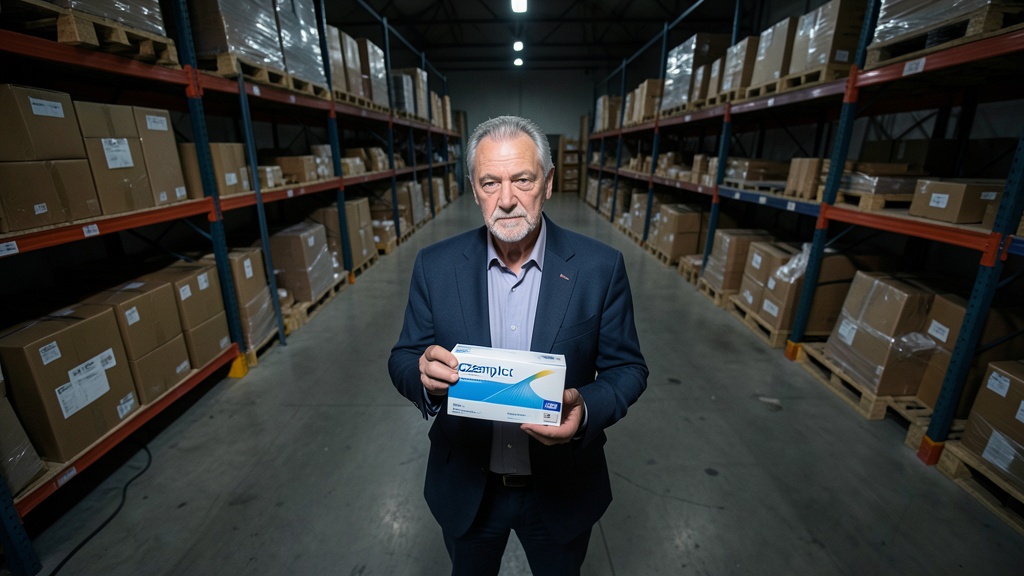
U.S. Attorney’s Office officials have announced federal indictments against two men accused of orchestrating a scheme to smuggle counterfeit semaglutide medications into the United States from India. The charges, unsealed this week, allege that the defendants distributed fake versions of Ozempic and other GLP-1 agonists through distributors operating in Florida.
The indictment details an alleged conspiracy spanning multiple countries, with significant logistical operations centered within Miami-Dade County. Federal investigators state that the scheme involved importing substandard pharmaceuticals at discounted prices before distributing them to domestic wholesalers who then supplied local pharmacies and clinics across the state.
Details of the Alleged Conspiracy
According to court documents, the primary suspects are identified as Indian citizens residing in India. The U.S. Department of Justice has not released their full names or specific ages due to ongoing international legal complexities and privacy protocols regarding individuals currently outside U.S. jurisdiction.
The scheme reportedly began with the procurement of counterfeit semaglutide products from manufacturers in India. These products were then shipped via commercial cargo carriers to Miami International Airport. From there, local associates allegedly received the shipments and transferred them to distribution networks within Florida.
Investigators claim that the distributors involved believed they were purchasing authentic medications at wholesale rates. However, laboratory testing conducted by federal agents revealed that the active ingredients in several batches did not match FDA-approved specifications for semaglutide.
Federal Crackdown on Pharmaceutical Fraud
This case represents a significant escalation in federal efforts to secure Florida’s pharmaceutical supply chain. The state is a major hub for medical imports due to its extensive port infrastructure and proximity to Latin America and the Caribbean, making it a frequent target for illicit trade networks.
"The distribution of counterfeit prescription drugs poses an immediate threat to public health," said a spokesperson for the U.S. Attorney’s Office in Miami during a press briefing. "Individuals relying on these medications for diabetes management or weight loss are being exposed to unverified substances that could cause serious adverse reactions."
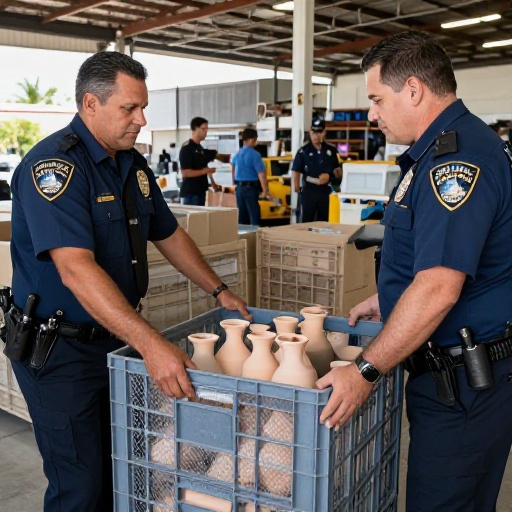
The indictment cites violations of federal statutes related to conspiracy to import counterfeit drugs and misbranding under the Federal Food, Drug, and Cosmetic Act. If convicted, the defendants face substantial prison sentences and significant fines, more context in ICE Seizes 22,000 Ancient Artifacts in Florida Antiquities Smuggling Probe.
Impact on Florida’s Healthcare Market
Florida has seen a surge in demand for GLP-1 agonists like Ozempic and Wegovy over the past three years. This increased demand has created lucrative opportunities for criminal enterprises seeking to exploit patient desperation and high market prices.
The Florida Department of Health has previously issued warnings about online pharmacies that do not require valid prescriptions or source medications from unverified international suppliers. The current indictment underscores the risks associated with bypassing regulated supply chains.
"We are committed to ensuring that Floridians have access to safe, effective, and authentic prescription medications," stated a representative from the Florida Board of Pharmacy in a recent statement regarding pharmaceutical integrity initiatives.
The case also highlights the interconnected nature of global drug trafficking networks. While the primary suspects remain abroad, U.S. authorities are working with international law enforcement agencies to facilitate potential extradition proceedings or parallel prosecutions in India.
Next Steps and Legal Proceedings
The federal grand jury returned the indictment after months of investigation by the Drug Enforcement Administration (DEA) and Homeland Security Investigations (HSI). These agencies have cited improved tracking mechanisms for international cargo as a key factor in identifying the shipment routes used by the suspects.
Legal experts note that prosecuting individuals located overseas presents unique challenges. However, the seizure of assets within Florida, including inventory and potential proceeds from sales to local distributors, provides leverage for federal prosecutors.
The case is expected to proceed in U.S. District Court for the Southern District of Florida. No trial date has been set as attorneys prepare preliminary motions and discovery processes continue.