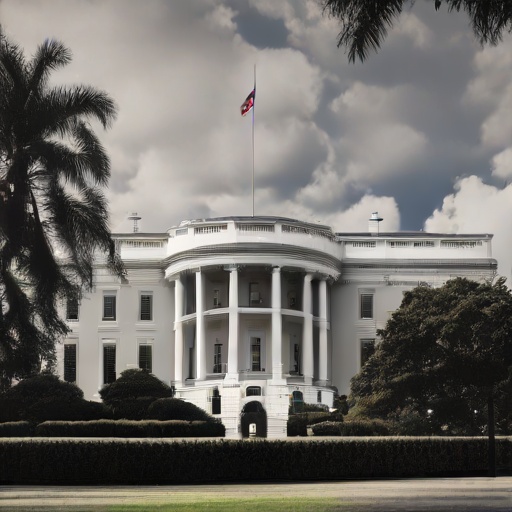
Trump Dismisses Federal Housing Legislation as a Yawn Amid Rising Florida Costs
Former president criticizes state-level solutions while experts warn that inaction will worsen affordability across Miami-Dade to the Panhandle.
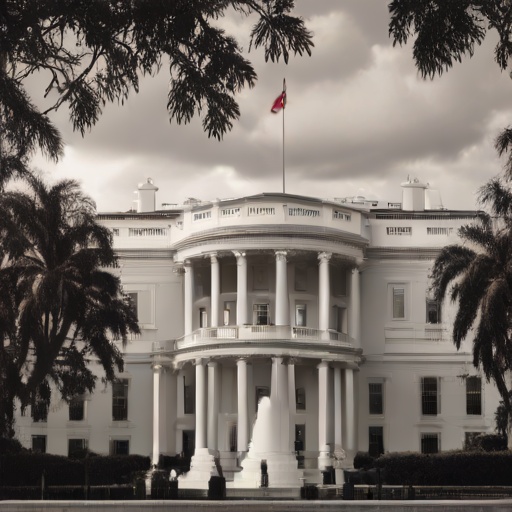
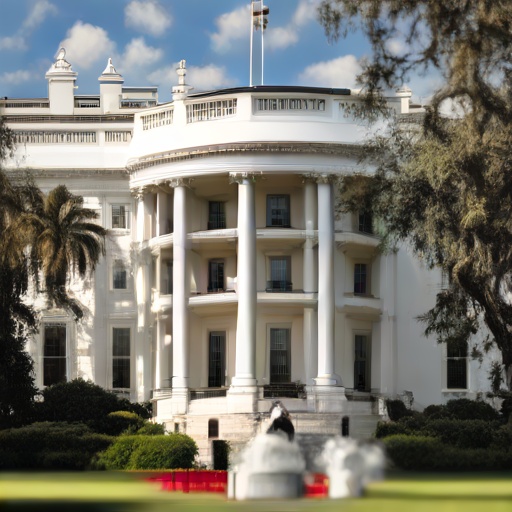
President Donald Trump has once again downplayed national efforts to resolve the housing crisis, characterizing new federal legislation as a "yawn" during recent campaign remarks. The former president's dismissal comes at a critical time when Florida residents from Tampa to Jacksonville are grappling with record-high home prices and soaring insurance premiums.
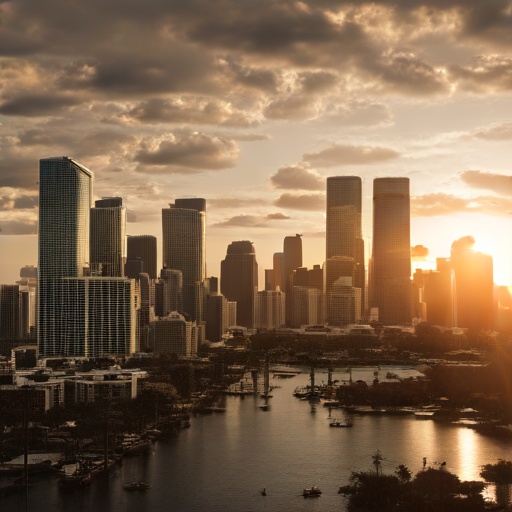
While Washington debates regulatory changes, real estate markets across the Sunshine State continue to face unprecedented pressure driven by population growth and supply shortages. Trump's comments suggest a preference for deregulation over direct federal intervention in housing markets.
Federal Inaction Meets Local Reality
During his speech at Mar-a-Lago, Trump argued that zoning laws and local bureaucracy are the primary barriers to affordable housing, not a lack of federal funding. He stated that Washington's approach is ineffective compared to empowering state governments to streamline permitting processes.
"They want more government control over your home," Trump said. "It's a yawn for me because it doesn't solve anything. We need to tear down the walls, not build new ones with federal money."
This stance aligns with his broader economic philosophy of reducing federal oversight but clashes with data from Florida housing authorities who report that supply constraints require coordinated investment.
According to recent reports from the Florida Housing Finance Corporation, there is a shortage of over 150,000 affordable rental units in the state. Experts argue that without significant policy shifts at both state and federal levels, this gap will widen significantly by 2026.
Florida's Unique Market Pressures
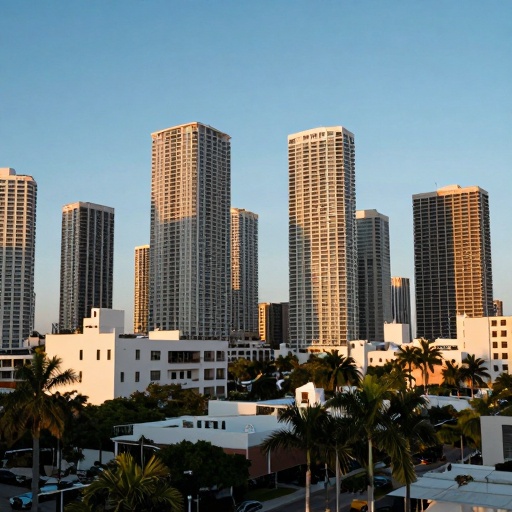
The housing crisis in Florida is distinct due to a combination of high migration rates, climate-related insurance costs, and limited land availability for new development. In Miami-Dade County alone, median home prices have risen by more than 40% over the last three years.
Local officials in Tallahassee are pushing back against federal skepticism, urging a multi-faceted approach that includes tax incentives for developers and expanded zoning reforms. Governor Ron DeSantis has championed state-level solutions but acknowledges the need for broader economic support to stabilize prices, more context in Donalds Emerges as Key Backer of Florida Property Tax Measure.
In Palm Beach County, construction costs have surged by 18% this year alone, making it difficult for builders to construct units that remain affordable for middle-class families. The lack of federal intervention leaves these local markets vulnerable to further volatility, as reported by El País.
Economic Impact on Middle-Class Families
The human cost of the housing crisis is becoming increasingly visible across Florida's diverse communities, from urban centers in Orlando to coastal towns in the Panhandle. Many working families are now spending more than 30% of their income on rent or mortgage payments.
Economic analysts warn that if prices continue to outpace wage growth, Florida risks losing its status as a destination for retirees and young professionals alike. The state's tourism industry also faces challenges as the cost of living impacts workforce availability in hospitality sectors.
Immigration policy further complicates the picture, with debates over border security impacting labor supply in construction industries essential for building new housing units. A shortage of skilled workers has delayed many planned developments across Southwest Florida.