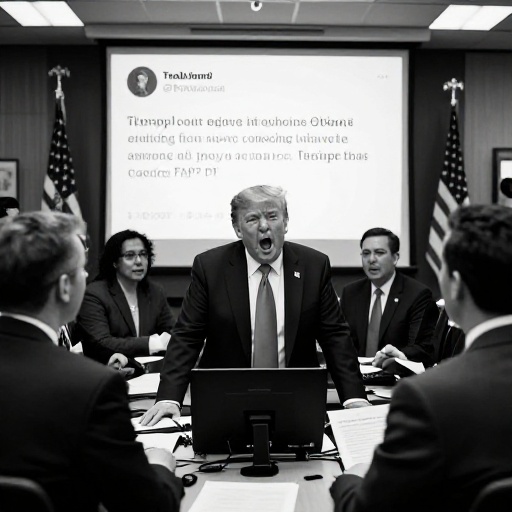
WASHINGTON — US President Donald Trump on Wednesday leveled his most pointed, though still indirect, criticism yet against Federal Reserve Chair Kevin Warsh. The comments follow the central bank's recent recommendation for an increase in interest rates, a move that has sparked significant friction between the White House and financial regulators regarding economic strategy.
Direct Rebuke from the Oval Office
The President’s remarks represent a notable escalation in public discourse surrounding monetary policy. While Trump did not explicitly demand specific actions or outline detailed counter-proposals, the tone of his response indicates deep dissatisfaction with the Federal Reserve's current trajectory. This development marks one of the most direct challenges to Fed leadership from an administration that previously hand-picked Warsh for his role, as we reported in Federal Reserve Faces Inflation Pressure as Nepal Rescue Efforts Resume Amid Reg.
Implications for Monetary Policy
The timing of these comments is critical, as they emerge immediately after the Federal Reserve announced its decision regarding rate adjustments. The recommendation for a hike suggests concerns over inflation or economic overheating, perspectives that appear to clash with the President's preferred approach to managing national debt and borrowing costs, as we reported in Federal Reserve Faces Inflation Pressure as Nepal Rescue Efforts Resume Amid Reg.
US President Donald Trump on Wednesday leveled his most pointed — though still indirect — criticism yet at his hand-picked Federal Reserve chief, fuming...
Ongoing Tensions in Washington
This incident underscores the complex relationship between elected officials and independent financial institutions. As Warsh continues to guide policy based on data-driven models rather than political pressure, the administration's reaction highlights a growing divide over how best to stabilize the economy. Observers note that such public disagreements can influence market sentiment, even if they do not immediately alter regulatory outcomes.