 Imagen generada con IA para Politics
Kevin Warsh Sworn In as Federal Reserve Chair
Warsh succeeds Jerome Powell at the White House, taking the helm of the US central bank during a critical economic period for the nation.
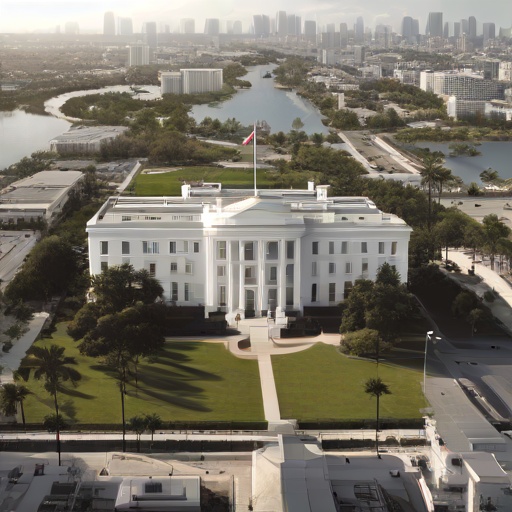
Kevin Warsh was sworn in on Friday at the White House as the Chairman of the Board of Governors of the Federal Reserve System. This formal ceremony marks the official transition of power, with Warsh succeeding Jerome Powell in one of the most influential economic positions in the world. The appointment places Warsh at the center of United States monetary policy as the nation navigates a complex financial landscape.
A Pivotal Leadership Transition
The swearing-in ceremony at the White House underscores the gravity of the role Warsh has assumed. As the head of the Federal Reserve, he is tasked with managing the country's money supply and interest rates to promote maximum employment and stable prices. His arrival at the helm comes at what officials have described as a pivotal moment for the US economy, a period characterized by shifting inflation trends and evolving labor market dynamics.
Warsh takes over from Jerome Powell, who has guided the central bank through significant economic challenges in recent years. The change in leadership signals a new chapter for the Federal Reserve, with Warsh now responsible for directing the course of monetary policy. The timing of this transition is critical, as the central bank continues to balance the need for economic growth with the imperative to control inflation.
Implications for the US Economy
The Federal Reserve plays a crucial role in the stability of the global financial system. As the new Chair, Warsh will face immediate decisions regarding interest rate adjustments and regulatory frameworks. The US economy has shown resilience in recent quarters, but uncertainties remain regarding future growth trajectories and the impact of previous monetary tightening measures, a story we covered in Karoline Leavitt to Depart White House Press Secretary Role.
Observers note that the Federal Reserve's actions have far-reaching effects on everything from mortgage rates to business investment. Warsh's background and policy approach will likely influence how the central bank responds to these economic indicators. The transition from Powell to Warsh represents a significant shift in the leadership of the institution that holds the keys to American monetary policy.
As Warsh settles into his new role, the focus will remain on how his leadership style and economic philosophy will shape the Federal Reserve's response to current and future challenges. The coming months will be closely watched by financial markets, policymakers, and the public alike, as the new Chair begins to define the direction of the US economy.