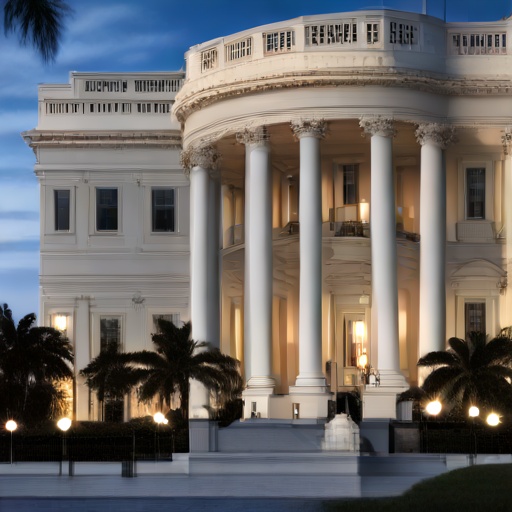
A new national tracker survey has revealed that President Donald Trump’s approval rating among independent voters has fallen to its lowest level during his current term in office. This significant dip in support within a core demographic group highlights evolving political dynamics as the nation approaches midterm elections. The data suggests a notable shift in voter sentiment, potentially impacting the electoral landscape for both major parties.
Shifting Demographics and Voter Sentiment
The survey results indicate that independent voters, often considered the swing bloc crucial for winning close races, are increasingly skeptical of the current administration’s performance. While specific numerical figures from the tracker were not detailed in the initial release, the qualitative assessment points to a clear downward trend. This demographic has historically been pivotal in determining control of Congress and state-level offices.
Political analysts note that independent voters tend to be more responsive to economic indicators and public safety concerns than partisan loyalists. The drop in approval ratings may reflect broader dissatisfaction with policy outcomes or specific legislative actions taken by the White House over the past year. As midterm elections approach, these shifts could translate into tangible losses for Republican candidates across various districts, Trump Approval Hits Second reported.
Implications for Midterm Elections
The erosion of support among independents poses a strategic challenge for the Republican Party as it prepares for upcoming contests. Historically, midterms have been difficult for the party holding the presidency, but losing ground with centrist voters can exacerbate these trends. The data suggests that Republicans may need to adjust their messaging and policy priorities to regain traction with this crucial voting bloc.
In Florida, a key swing state in presidential elections, such national trends often mirror local political shifts. Independent voters in the Sunshine State have shown varying levels of support for Republican candidates depending on issues like tourism recovery, real estate markets, and immigration policies. If the national trend holds true locally, it could affect down-ballot races across Florida’s diverse congressional districts, as noted by BBC.
Looking Ahead to Election Day
Election officials and campaign strategists are closely monitoring these polling numbers as they refine their outreach efforts. The low approval rating among independents serves as a warning sign for party leaders who must mobilize base voters while also appealing to the center. As the election cycle intensifies, further surveys will likely provide more granular data on voter preferences, a story we covered in Trump Approval Hits Second.
For now, the focus remains on understanding why this demographic has turned away from the president and what steps can be taken to reverse the trend. The midterm elections will serve as a critical referendum on the administration’s record, with independent voters holding significant sway over the final outcome in many competitive races across the United States.