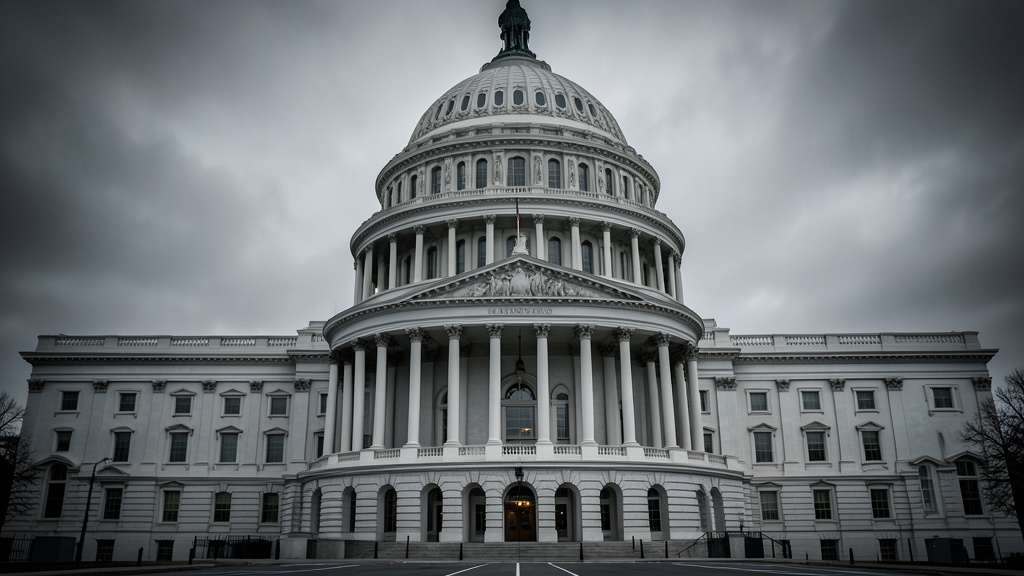
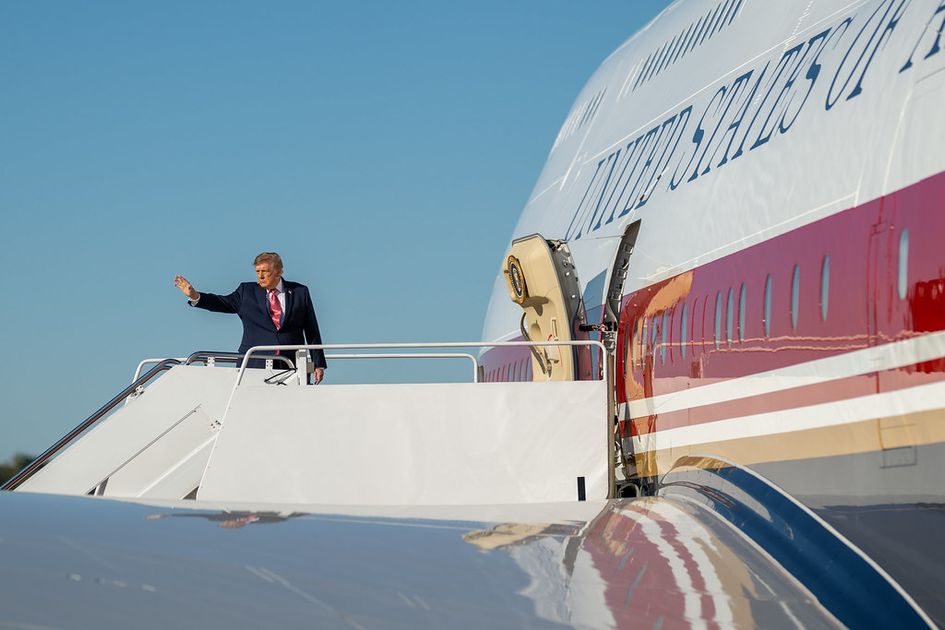
 Imagen generada con IA para Politics
Trump Approval Ratings Slip as New Polls Reveal Shifting Public Sentiment Ahead of Midterms
Recent NBC and ABC/Post surveys show a dip in presidential approval, marking a significant shift in voter sentiment just weeks before critical mid-term elections.
President Donald Trump’s political standing faces renewed scrutiny as the latest national polling data reveals a notable decline in public support. According to an NBC News survey released on Tuesday, the president's approval rating among U.S. adults has slipped to 34%, marking his lowest point during this second term of office.
This development comes amid a broader reassessment of voter sentiment across key battleground states and nationwide districts. The data emerges just days before another major survey from ABC News, *The Washington Post*, and Ipsos is scheduled for release, suggesting that the political landscape remains fluid and highly contested as the mid-term election cycle intensifies.
Historical Context of Polling Volatility
The current polling figures have drawn comparisons to historical trends dating back eight decades. Analysts note that such fluctuations are rare for a sitting president in their second term, particularly when occurring so early in the electoral cycle relative to previous administrations.
Historical data indicates that modern presidential approval ratings typically stabilize after an initial honeymoon period or decline gradually over time due to economic conditions and foreign policy challenges. The current dip suggests that specific policy decisions or external events may be driving voter dissatisfaction more rapidly than usual.
Polling experts emphasize that a single survey does not define the trajectory of an election but rather highlights emerging trends. The NBC News poll, conducted by Marist College for NBC News and *The New York Times*, utilizes rigorous methodology to capture shifts in independent and swing voter opinions, which are often the most volatile demographic.
Implications for Mid-Term Elections
The drop to 34% approval has significant implications for Republican candidates seeking to maintain control of Congress. In mid-term elections, presidential popularity frequently serves as a bellwether for down-ballot races. A president with sub-50% approval often faces headwinds that make defending House and Senate seats more difficult, more context in Trump Polling Hits Career Lows Ahead of Critical Election Day Amid Democratic Gains.
Political strategists from both parties are closely monitoring these numbers to adjust campaign messaging and resource allocation. For the Trump administration, maintaining a base of support is crucial for passing remaining legislative priorities in the final years of his term.
Conversely, Democratic operatives may view this polling dip as an opportunity to mobilize their base and attract moderate independents who have previously remained on the sidelines. The upcoming ABC News/Washington Post/Ipsos poll will provide a critical cross-check against these findings, offering additional data points for campaign analysts.
Economic Factors Influencing Sentiment
While specific policy details were not fully elaborated in the initial release of the NBC survey, economic indicators remain a primary driver of presidential approval. Inflation rates, employment figures, and housing costs continue to influence how voters perceive the administration's effectiveness.
National polls often reflect regional disparities as well. Urban centers may report different sentiment levels compared to rural or suburban areas, creating a complex map of voter preference that campaigns must navigate carefully.