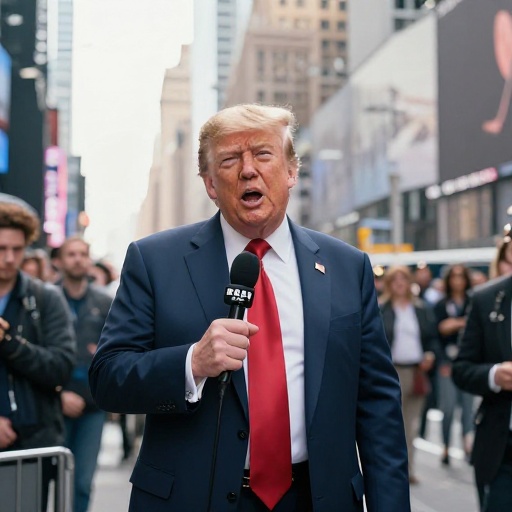
President Donald Trump announced a significant agreement with Venezuela, describing the arrangement as "THE BIGGEST OIL DEAL IN WORLD HISTORY" in a post on social media. The announcement centers on an expanded partnership regarding petroleum exports and imports between the two nations. According to the President's statement, this historic transaction is designed specifically to lower gas prices for American consumers by increasing supply stability and market competition.
Details of the Announcement
The declaration was made directly through Trump’s social media platform, bypassing traditional press briefings or official White House releases. The President characterized the deal as a transformative moment in international energy markets. While specific contractual details regarding volume and pricing were not immediately detailed in the initial post, the core premise of the agreement focuses on leveraging Venezuelan oil production to benefit the United States economy.
This move marks a notable shift in diplomatic engagement with Caracas. Historically, relations between Washington and Venezuela have been strained due to political disputes and sanctions regarding human rights and democratic processes. The announcement suggests a pragmatic pivot toward economic interests, prioritizing energy security over previous geopolitical friction points. Analysts note that such deals often involve complex negotiations involving state-owned oil companies like Petróleos de Venezuela (PDVSA).
Implications for Gas Prices
The primary justification provided by the President is the reduction of fuel costs at the pump. By integrating Venezuelan crude into global supply chains, the administration argues that increased availability will drive down retail prices across the United States. This claim aligns with broader economic strategies aimed at curbing inflation and easing financial burdens on households, as we reported in War Costs Threaten Trump's Economic Rebound Amid Rising Gas Prices.
However, experts in energy markets emphasize that gas prices are influenced by a multitude of factors beyond bilateral agreements, including global crude oil benchmarks, refining capacity, and geopolitical tensions elsewhere. The effectiveness of this specific deal in lowering domestic fuel costs will depend on the scale of implementation and regulatory approvals required for such transactions to proceed.
Market Reaction
The announcement has sparked immediate discussion among industry observers and political opponents alike. Supporters view it as a bold move that prioritizes American economic interests, while critics question the feasibility and long-term sustainability of working with Venezuela under current international sanctions regimes. As details emerge regarding the scope of the oil trade, markets will likely react to any confirmed volumes or timelines for delivery.