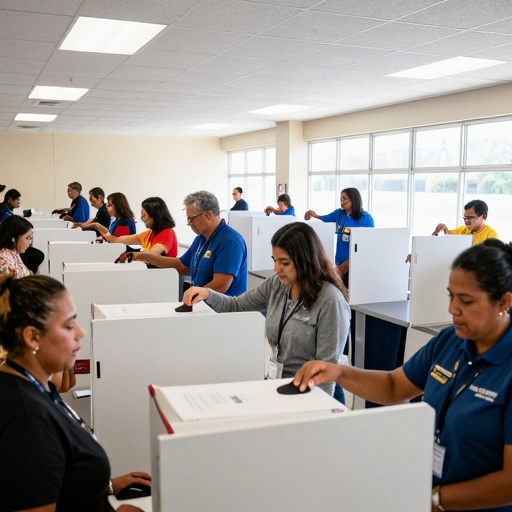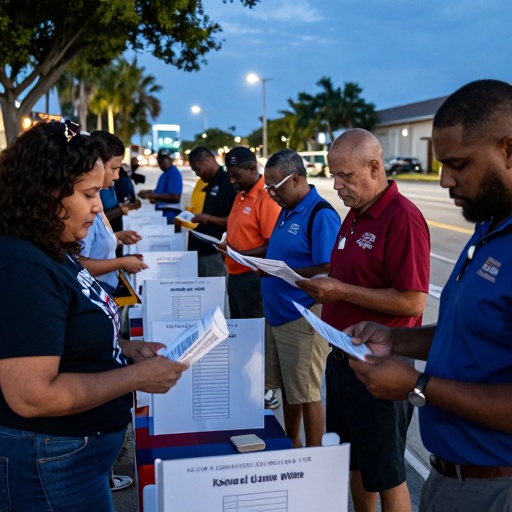
Residents across South Florida are preparing for the upcoming August primary election, a critical event in the state’s political calendar. The primary serves as a decisive moment for voters to influence party nominations and policy directions before the general election later in the year. With no requirement to be registered with a specific major party to participate in certain primaries depending on local rules, engagement remains high among diverse demographics across Miami-Dade, Broward, and Palm Beach counties.
Key Dates and Deadlines
Voters must ensure their registration is current well before the August deadline. The Florida Division of Elections typically sets strict cutoffs for voter registration updates to allow local supervisors time to prepare accurate precinct maps and ballot materials. For this cycle, residents are advised to check their status online through the Supervisor of Elections’ website in their respective county. Failure to update address changes or party affiliations by the specified date may result in provisional ballots being required at polling places.
Understanding the Ballot
The August ballot will feature a mix of federal, state, and local races. In South Florida, competitive districts often include seats for the U.S. House of Representatives, the State Senate, and various county commission positions. Additionally, judicial retention elections may appear on ballots in certain jurisdictions. Voters are encouraged to review sample ballots released by their respective Supervisor of Elections offices at least two weeks prior to Election Day. These resources provide candidate names, party affiliations, and brief biographical summaries to aid informed decision-making.
Where and When to Vote
Polling locations for the August primary will be announced by local election authorities in late July. South Florida counties typically utilize a combination of public schools, community centers, and library branches as voting sites. Early voting options are also available starting approximately ten days before Election Day, offering flexibility for residents with busy schedules. Voters should verify their assigned precinct online to ensure they visit the correct location, as redistricting efforts can occasionally shift polling places, as we reported in Florida 2026 Primary.
Resources for Informed Participation
The Florida Division of Elections and local county offices provide comprehensive guides to assist voters in navigating the process. These resources include information on acceptable forms of identification, such as valid driver’s licenses or state-issued ID cards. For those who prefer mail-in voting, absentee ballot request deadlines are strictly enforced. Residents can track their mailed ballots through secure online portals provided by many counties.