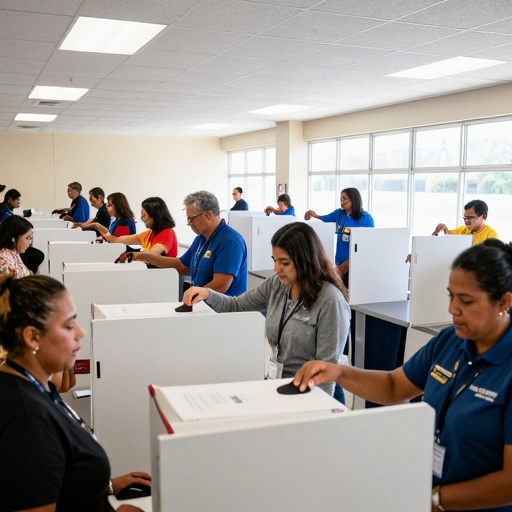
Florida 2026 Primary: Key Races, Candidates and Voting Guide for August
A comprehensive breakdown of critical statewide contests in Florida's Aug. 18 primary election, including legislative seats and judicial positions.
As the Sunshine State prepares for another pivotal electoral cycle, voters are bracing for a complex ballot on August 18, 2026. The upcoming primary election will serve as a crucial filter before the general November contest, determining which candidates will represent major parties in key statewide and local races.
Florida’s unique closed-primary system means that only voters registered with a specific party can participate in their respective ballot. With no third-party or independent voter registration allowed to vote in primaries, the August 18 election effectively decides many outcomes for deeply conservative districts and increasingly competitive swing areas alike.
Statewide Contests Shaping Florida’s Political Landscape
The most watched races this cycle include several U.S. Senate seats that have become national battlegrounds, alongside critical positions such as the Attorney General and Public Service Commission. The latter body holds significant power over utility regulation, directly impacting consumer electricity rates across Miami-Dade to the Panhandle.
Incumbents face varying levels of scrutiny in this cycle. While some long-serving legislators enjoy high name recognition and robust fundraising advantages, others are navigating primary challenges from within their own parties. The Florida Legislature remains heavily Republican-controlled, but internal party dynamics often produce fierce competition for nomination spots.
Voters should note that statewide offices carry significant weight beyond immediate policy changes. For instance, the Attorney General plays a leading role in federal litigation against the Biden administration’s policies on immigration and environmental regulations. These legal battles frequently define Florida’s national political profile.
Legislative Districts and Local Impacts
Beyond statewide offices, the 120-member House of Representatives and 40-member Senate races will determine how state laws are crafted for the next two years. Redistricting effects from the recent census cycle continue to influence voter demographics in suburban counties like Broward and Hillsborough.
In many districts, general election competition is nonexistent due to one-party dominance. Consequently, winning the primary is tantamount to winning the seat. This dynamic empowers party activists and increases the importance of early voting periods for dedicated partisans who may not engage in November’s broader turnout.
Key legislative races include seats overseeing education funding, infrastructure bills, and tourism industry regulations. Candidates are expected to emphasize economic recovery efforts post-hurricane season and housing affordability measures as central themes in their campaigns, more context in Florida 2026 Primary Election Dates and Deadlines for Voters.
Voter Registration and Election Day Logistics
The Florida Division of Elections has emphasized strict adherence to registration deadlines. To vote in the August 18 primary, individuals must be registered by early July. Late registrations or changes of party affiliation after this cutoff will disqualify voters from participating in partisan primaries.
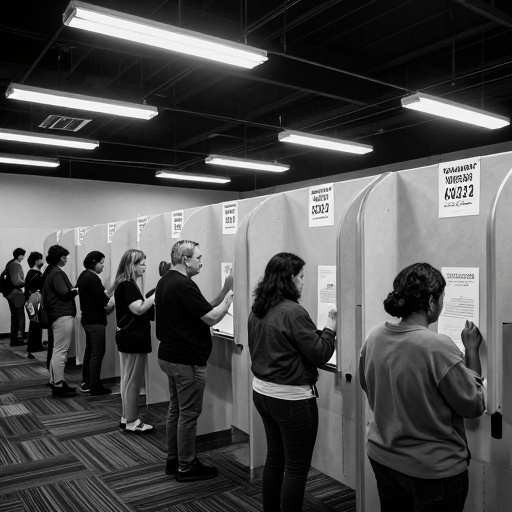
Early voting options remain extensive across all 67 counties. Residents are encouraged to check their specific precincts via the My Vote Florida website for location details and hours. Polling places may differ from previous elections due to logistical adjustments or security enhancements following recent national trends.
Voter participation in primary elections often dictates the ideological direction of state policy. Understanding candidate positions before August 18 is essential for shaping Florida’s legislative agenda through November.
Identification requirements remain strict under current state law. Voters must present one of several forms of photo ID, including a Florida driver license, passport, or military identification. Those without acceptable ID may cast a provisional ballot but will need to provide documentation later for their vote to count.
Critical Issues on the Ballot
Beyond candidate selection, certain counties may feature local amendments or judicial retention votes that affect property tax assessments and criminal justice procedures. Judicial candidates are often nonpartisan in name but heavily influenced by party affiliation during primaries.
Tourism industry stakeholders will watch closely as elected officials influence regulatory frameworks affecting hospitality businesses. Meanwhile, agricultural interests remain vocal regarding water usage rights and environmental protections tied to the Everglades restoration efforts.