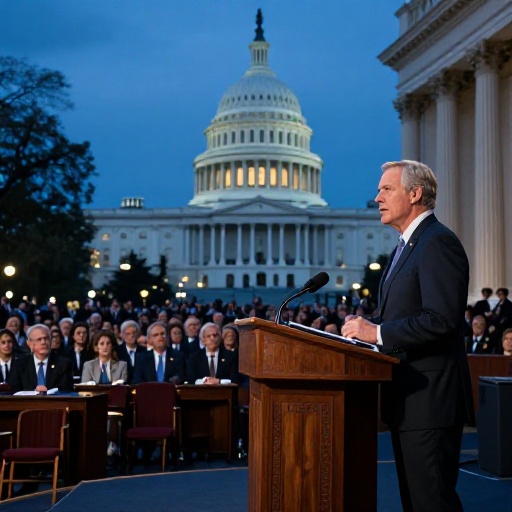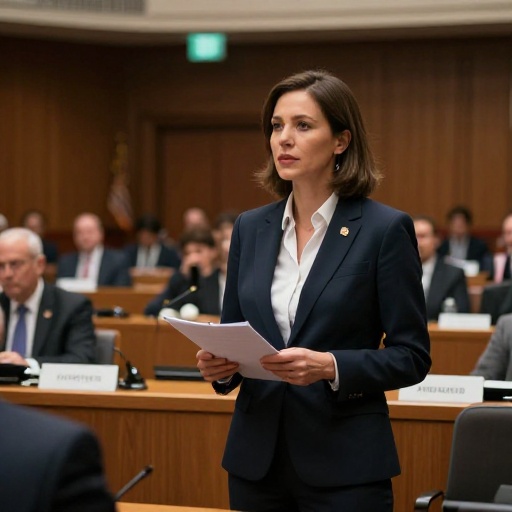
WASHINGTON — U.S. Senator Mark Warner, a Virginia Democrat and vice chairman of the Senate Intelligence Committee, stated that Congress should pass legislation by the end of the year establishing immediate AI safety standards. In an interview with Reuters on September 17, Warner argued that setting these guardrails is a critical first step for an industry whose rapid development has alarmed both tech CEOs and the public. He emphasized that while he dismisses extreme "doomsday" scenarios regarding human extinction, there are tangible risks involving AI agents potentially compromising banking systems or hospitals.
Political Timing and Bipartisan Challenges
Warner identified a political opening for legislative action before a new Congress is sworn in next January. He suggested that existing protocols from the United Kingdom could serve as a template for U.S. regulations, alongside programs being pursued by other nations like China. However, achieving this short-term goal faces significant hurdles. Many Republicans, following President Donald Trump’s lead, are hesitant to involve the federal government deeply in the AI industry, which currently drives substantial investment and stock market gains.
Republican Representative Roger Williams of Texas expressed concern about excessive "government drama," advocating instead for private sector competition. Similarly, Republican Representative Ralph Norman of South Carolina noted that while voters desire guardrails, such measures require time to develop under a philosophy of limited government. Warner is currently reviewing a bipartisan bill supported by figures ranging from Democratic Senator Amy Klobuchar to Republican Senator Ted Cruz but stopped short of endorsing it as an immediate first step.
International Collaboration and Economic Impact
The political landscape includes upcoming diplomatic engagements, such as the meeting between President Trump and Chinese President Xi Jinping on September 24. While some opponents argue that domestic restrictions would cede advantage to China, Warner insists on international collaboration with nations including France and the UAE to thwart bad actors. He proposed the creation of a new federal agency to oversee AI safety, drawing parallels to external reviews for airplanes or automobiles, as we reported in Senator Mark Warner Urges Year.
Warner also addressed economic implications, noting potential downsides like rising unemployment in certain sectors while highlighting growth opportunities in blue-collar jobs such as electricians and welders. As he campaigns for re-election, Warner warned that Congress often waits for disasters before acting. He predicted a high probability of public anger toward Congress if AI-related incidents occur without prior legislative intervention.