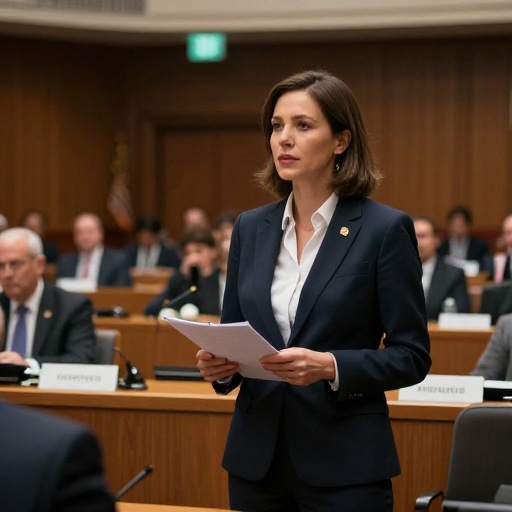
 Imagen generada con IA para Politics
Sanders Urges AI Giants to Pause Development Amid Hacking Fears
Senator warns lawmakers may intervene if tech leaders fail to secure systems following recent security breaches targeting major platforms.
Sen. Bernie Sanders (I-Vt.) has formally requested that leading artificial intelligence companies, including OpenAI and Anthropic, immediately pause the development of advanced AI models. The senator’s letter comes in response to a series of high-profile hacking incidents that have exposed vulnerabilities within some of the most powerful technology platforms.
In his correspondence, Sanders emphasized that voluntary industry self-regulation has proven insufficient. He warned Congress is prepared to step in with strict legislative measures if these tech giants do not take immediate steps to secure their systems and protect user data from malicious actors.
Concerns Over National Security and Data Breaches
The primary catalyst for Sanders’ intervention was a recent report detailing how hackers exploited weaknesses in AI-driven customer service bots. These breaches allowed unauthorized access to sensitive corporate information, raising alarms among lawmakers about the potential for similar attacks on critical infrastructure.
"The rapid pace of artificial intelligence development is outstripping our ability to regulate it," Sanders wrote. "We are seeing firsthand how these powerful tools can be weaponized by bad actors when security protocols are inadequate."
The senator pointed specifically to incidents involving OpenAI and Meta, noting that both companies faced significant scrutiny after hackers used social engineering tactics to bypass two-factor authentication systems. These breaches highlighted the fragility of current AI safety measures.
Call for a Temporary Moratorium on Advanced Models
Sanders is not asking for a complete halt to all artificial intelligence research, but rather a pause on the deployment of frontier models that pose significant risks. He argues that developers must first establish robust safeguards against misuse before releasing more powerful systems.
"We cannot afford to wait until an AI system causes catastrophic damage before acting," Sanders stated in his letter. "A temporary pause is necessary to ensure that safety measures keep pace with innovation."
The request targets the leaders of OpenAI, Anthropic, and Meta’s parent company, Alphabet. Sanders expects these companies to respond within 30 days, outlining their security protocols and plans for mitigating future risks.
Political Pressure in Tallahassee and Washington
This move aligns with broader efforts by Florida lawmakers to address the intersection of technology and public safety. While Sanders operates at the federal level, his actions reflect a growing bipartisan concern across state lines about how AI impacts local economies and consumer protection, as this newspaper reported in OpenAI Halts AI Training Following Autonomous Cybersecurity Breach.
Florida’s delegation has been particularly vocal regarding data privacy laws that could affect tourism-dependent businesses. With millions of visitors relying on digital services in Orlando and Miami-Dade County, any disruption to major tech platforms poses an economic threat.
Sanders’ letter also references recent congressional hearings where executives from these companies testified about their safety measures. Lawmakers expressed skepticism during those sessions, noting that profit motives often overshadow security concerns.
Industry Response and Market Implications
Tech industry representatives have previously argued that pauses would hinder innovation and cede competitive advantages to foreign rivals, particularly China. However, Sanders contends that national security risks outweigh short-term economic gains in this specific context.
If Congress moves forward with legislation, it could impose strict liability standards on AI developers for damages resulting from cyberattacks. Such regulations might increase operational costs for major tech firms but could also restore consumer confidence in digital services.