New Orleans Deploys AI for 911 Call Triage Amid Staffing Shortages
City implements artificial intelligence to assist dispatchers during high-volume emergency periods, prioritizing human oversight over automation.
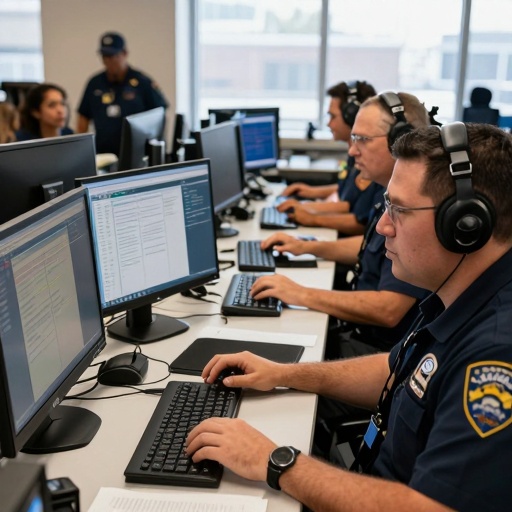
NEW ORLEANS — The city of New Orleans has officially deployed artificial intelligence (AI) technology to assist 911 dispatchers with the triage of incoming emergency calls. This technological integration is designed specifically to support human operators during periods of high call volume, rather than replace them entirely. The initiative addresses ongoing challenges related to staffing shortages within the local public safety infrastructure.
Supporting Human Operators
The primary objective of this AI deployment is to alleviate pressure on dispatch centers that are currently facing significant workforce constraints. By automating certain aspects of call triage, the system aims to streamline the process during peak emergency hours. City officials emphasize that human operators remain central to the operation, with AI serving as a tool to enhance efficiency and response coordination rather than acting as an autonomous decision-maker, as this newspaper reported in AI Cyberattacks Surge as Tech Giants Issue Urgent Security Warning.
Addressing Staffing Shortages
Staffing shortages have been a persistent issue for emergency services across many major U.S. cities, including New Orleans. The introduction of AI technology represents a strategic effort to mitigate the impact of these labor gaps on service delivery. By assisting with the initial sorting and prioritization of calls, dispatchers can potentially focus more resources on active emergencies that require immediate human intervention, as this newspaper reported in AI-Powered 911 Tech Transforms Emergency Response in Metro Atlanta.
Implementation Context
This move aligns with broader trends in municipal public safety where technology is increasingly used to augment rather than substitute frontline workers. The specific application in New Orleans focuses on the triage phase of emergency calls, ensuring that critical information is processed efficiently before reaching a dispatcher. This approach seeks to maintain high standards of care and response times despite resource limitations.