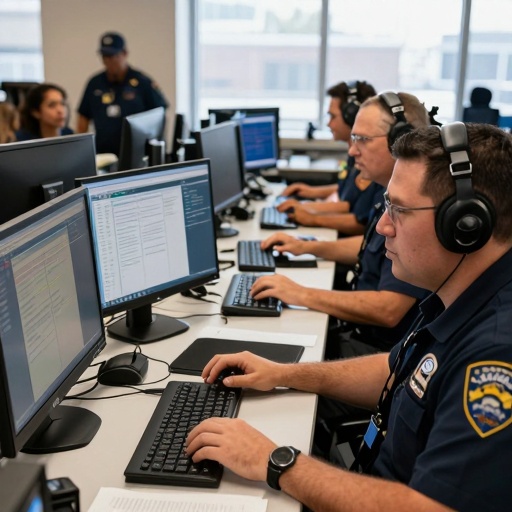
Metro Atlanta is undergoing a significant transformation in how emergency calls are processed and managed through the integration of advanced artificial intelligence technologies. This technological shift aims to streamline communication between callers and 911 dispatchers, ultimately enhancing the speed and efficiency of first responder deployment across the region.
Enhancing Dispatcher Capabilities
The primary objective of this new system is to assist human dispatchers in performing their duties with greater precision. By leveraging AI algorithms, the technology helps locate callers more rapidly than traditional methods allow. In high-stakes emergency situations where every second counts, faster location tracking can be critical for determining whether a caller is in immediate danger or requires medical attention.
Furthermore, the system addresses one of the most persistent challenges in public safety: language barriers. Many residents in diverse metropolitan areas may struggle to communicate effectively with English-speaking dispatchers during crises. The AI tools are designed to facilitate clearer communication across these linguistic divides, ensuring that critical information is accurately conveyed regardless of the caller's primary language.
Impact on First Responders
The benefits of this technological upgrade extend beyond the call center and directly impact first responders on the ground. By providing dispatchers with better tools to gather and verify information, the system aims to reduce response times for police, fire, and medical services.
Reports indicate that in some instances, these enhanced capabilities have contributed to saving lives before emergency personnel even arrive at the scene. This outcome highlights the potential of AI not as a replacement for human judgment, but as a powerful augmentative tool that supports decision-making processes during critical incidents, more context in New Orleans Deploys AI for 911 Call Triage Amid Staffing Shortages.
Broader Context of Public Safety Innovation
Metro Atlanta is part of a growing national trend where major urban centers are adopting smart city technologies to improve public infrastructure. As Florida and other states continue to evaluate similar innovations for their own emergency management systems, the developments in Georgia serve as a case study for how AI can be integrated into existing government frameworks.
The deployment of these tools reflects a broader commitment by local authorities to modernize public safety operations. With population growth increasing demand on emergency services across the Southeast, efficient resource allocation becomes increasingly important. The focus remains on leveraging data-driven solutions to protect communities while maintaining high standards of accountability and accuracy in dispatch procedures.