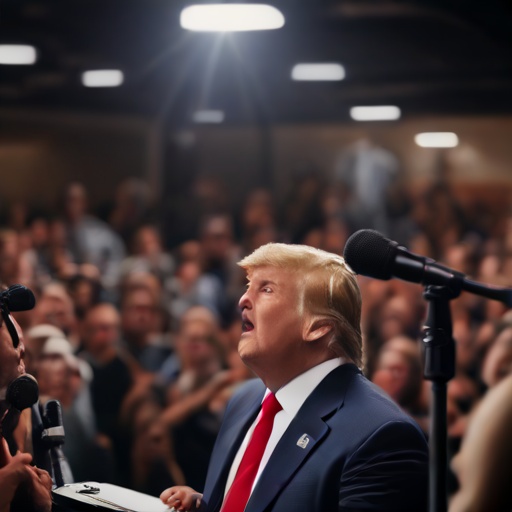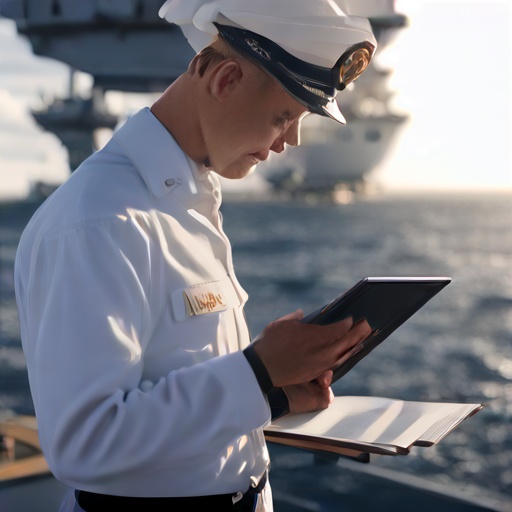
WASHINGTON — The United States Navy has initiated internal discussions regarding the renaming of an active aircraft carrier currently under construction. According to three sources familiar with the matter speaking to CNN, military leadership is weighing the option to replace the name of a Black war hero, recognized for his heroic actions during the attack on Pearl Harbor, with that of former President Donald Trump.
The vessel in question was originally slated to honor Lieutenant Commander Joseph Mack "Jack" Talley. Talley served as an aviation ordnance officer aboard the USS Oklahoma and is credited with saving numerous lives by safely detonating bombs before they could explode during the Japanese attack on December 7, 1941. He died of cancer in 2003 at the age of 86.
However, reports indicate that Navy officials are now considering a change to honor Donald Trump, potentially naming the ship USS Donald J. Trump. This potential shift comes amid broader political debates regarding how historical figures and current political leaders are commemorated through military assets.
Navy Internal Deliberations
The decision-making process within the Navy is complex and involves multiple layers of command, legal review, and political consultation. While no official announcement has been made by the Department of Defense or the White House, sources suggest that preliminary conversations have taken place between naval leadership and Trump’s transition team.
Renaming a ship already under construction represents a significant logistical and financial undertaking. The process typically requires approval from Congress, as federal law mandates legislative action for naming major combatant vessels. Any such proposal would likely face scrutiny in the Senate Armed Services Committee before moving forward.
The Legacy of Jack Talley
Joseph Mack "Jack" Talley’s story has long been celebrated within naval circles and among civil rights advocates as a testament to bravery during one of America's most pivotal moments. His actions on the USS Oklahoma are well-documented in historical records, highlighting his quick thinking under extreme duress.
Talley was not only an officer but also served as a chaplain’s assistant at times due to staffing shortages, demonstrating versatility and dedication beyond standard operational roles. The proposed renaming has sparked discussion about how the military balances honoring contemporary political figures against preserving historical narratives of service members from previous eras, more details at CBS News.
Political Implications
The potential inclusion of Donald Trump’s name on a Navy carrier aligns with his broader efforts to reshape American institutions and commemorate his presidency through various means. Previous attempts by the Trump administration to rename military bases have faced legal challenges and public debate, reflecting deeper societal divisions over historical memory.
Observers note that naming an aircraft carrier after a former president is unprecedented in modern times. While several ships bear names of past presidents, such as the USS George H.W. Bush or the USS Ronald Reagan, these were typically named posthumously and often during their respective administrations’ later years or afterward.
The move could also serve symbolic purposes within current political discourse. Supporters argue that honoring Trump reflects his impact on national defense policy, including increased military spending and strategic shifts in foreign relations. Critics may view the gesture as politically motivated, raising questions about the appropriateness of linking naval assets to contemporary partisan figures.
Public Reaction and Historical Context
If confirmed, this renaming would mark a significant departure from traditional practices regarding military commemorations. The Navy has historically prioritized honoring individuals based on their service records rather than political affiliation alone. However, recent trends suggest evolving standards in how legacy is defined within federal institutions.
Historical precedents show that public reaction to such decisions can be polarizing. Debates over renaming facilities often highlight competing values regarding heritage, representation, and national identity. For communities advocating for greater visibility of minority contributions to military history, the potential erasure of Talley’s name could be seen as a setback.
As discussions continue behind closed doors, stakeholders await formal confirmation from Navy officials or congressional leaders. The outcome will likely influence future policies regarding how American heroes are remembered and whether political considerations play an increasingly prominent role in military naming conventions.