IMF-World Bank Meetings Focus on Middle East War and Global Debt
Finance officials gather in Bangkok to address energy supply shocks from the widening conflict and rising sovereign debt levels worldwide.
BANGKOK — Finance officials from around the world will gather in Thailand this week under the shadow of a widening war in the Middle East, which poses significant risks to energy supply chains. The International Monetary Fund (IMF) and World Bank meetings are set to address these geopolitical tensions alongside pressing economic challenges related to high sovereign debt levels across various nations.
Geopolitical Risks and Energy Markets
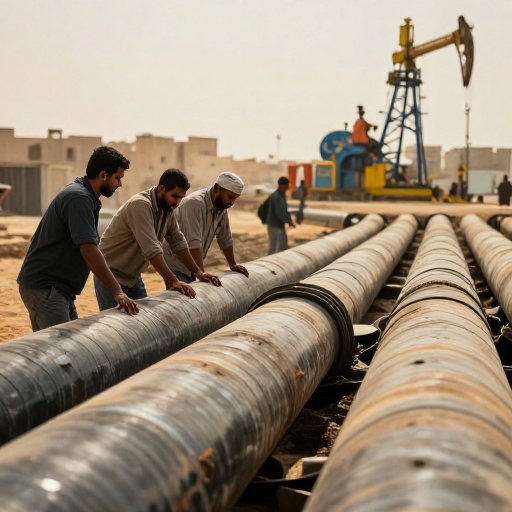
The ongoing conflict in the Middle East has emerged as a dominant topic for this year's assembly. As hostilities widen, concerns regarding disruptions to global energy supplies have intensified among policymakers. The stability of oil and gas markets is critical for maintaining economic growth, yet the current geopolitical landscape introduces substantial uncertainty. Officials are expected to discuss how these external shocks influence fiscal planning and monetary policy decisions in member countries.
Addressing Sovereign Debt Burdens
In addition to security concerns, high debt levels remain a central theme of the discussions. Many nations continue to grapple with elevated borrowing costs and growing principal obligations following years of economic stimulus measures during the pandemic era. The IMF is likely to review country-specific reports that highlight the sustainability of public finances in an environment where interest rates have remained higher for longer than previously anticipated, a story we covered in Global Leaders Return to UN Amid Middle East and Ukraine Conflicts.
Implications for Global Economic Stability
The convergence of war-related supply chain disruptions and heavy debt burdens creates a complex backdrop for global economic policy. Finance ministers from member states will assess whether current fiscal trajectories are viable without compromising long-term growth prospects. The outcomes of these meetings in Bangkok may influence future lending decisions by the World Bank and structural adjustment programs recommended by the IMF to nations facing balance-of-payments difficulties.